

Feedwater Control Valve Troubleshooting and Fixes
- 2026-07-08 17:11:30
- admin
- NO COMMENTS
Troubleshooting Your Feedwater Control Valve: Common Issues and Fixes
Introduction
In a boiler room, feedwater problems rarely arrive as a dramatic failure at the start. More often, they show up as small but stubborn clues. During a routine round, an engineer may notice that the drum level is drifting even though the controller output looks stable. The valve stem moves, but not quite smoothly. A few minutes later the differential pressure across the valve shifts, the actuator sounds strained, and the water level starts hunting around setpoint. In many field operations, this is where real feedwater control valve troubleshooting begins. Boiler feedwater control exists to regulate water into the steam drum, and Jordan Valve notes that safe steam production depends on maintaining proper drum level within a narrow range using a responsive control valve and an appropriate control loop.
Engineers working on site often notice the same cluster of symptoms: opening and closing lag, rising operating torque, unstable response at low flow, and slight leakage after repeated cycling. Those signs matter because large boilers do not tolerate slow feedwater correction. WARE explains that bigger boiler systems see larger load swings and therefore need a continuous, quickly adjustable feedwater supply; a modulating valve is used so the control system can open in small increments, hold position, and close gradually as demand changes. When that movement stops being precise, boiler efficiency and protection logic both start to suffer.
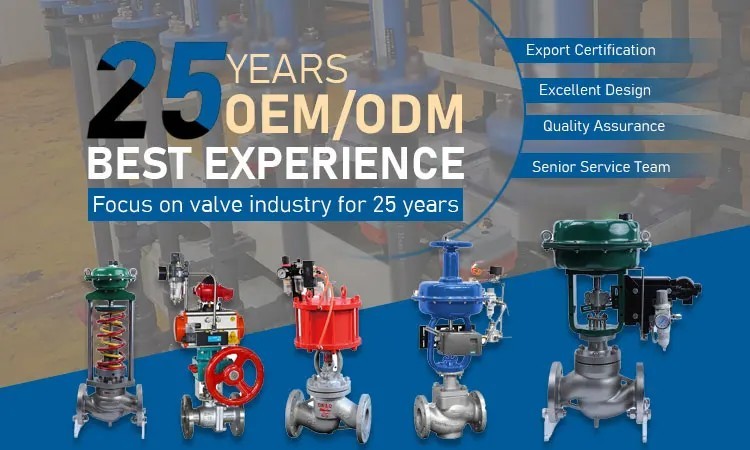
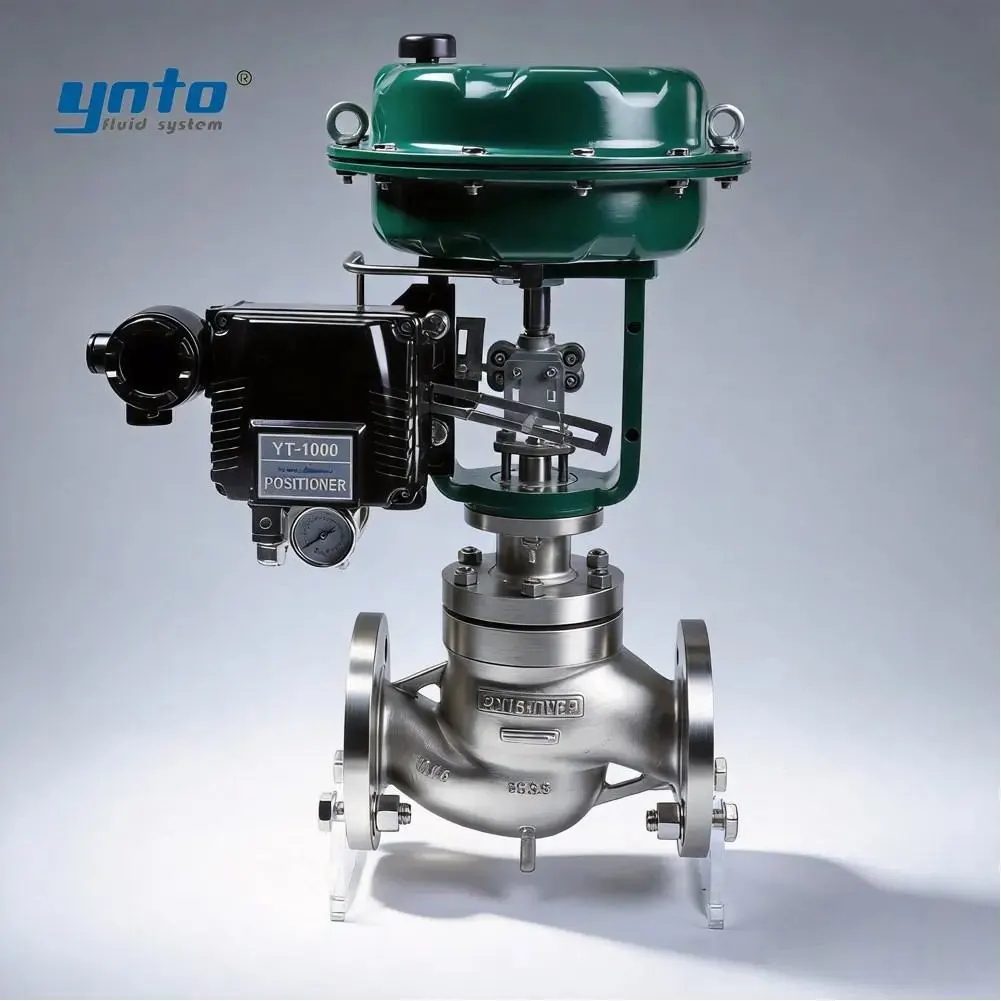
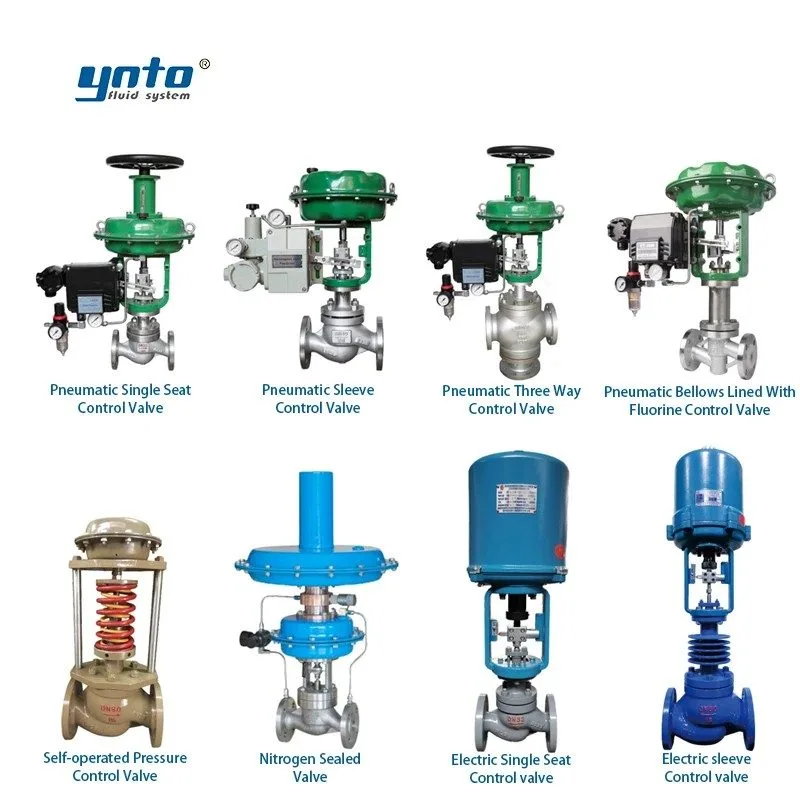
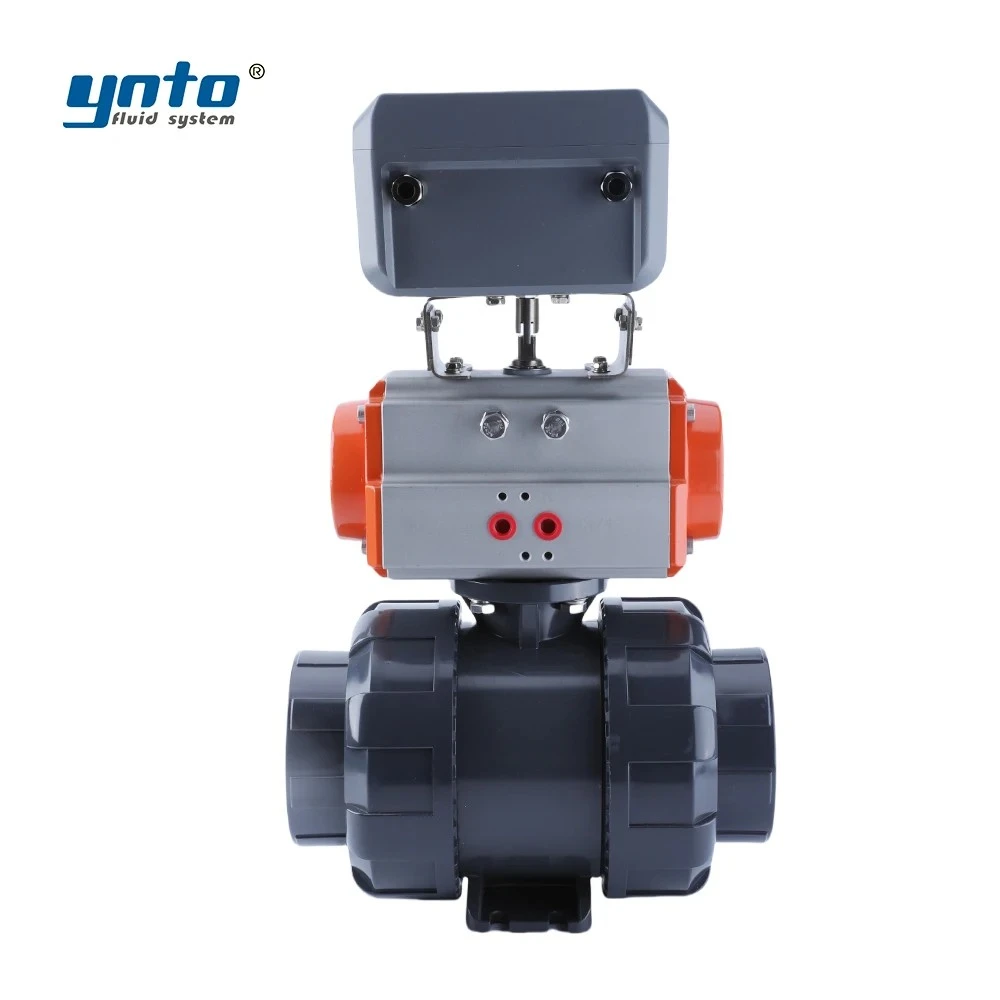
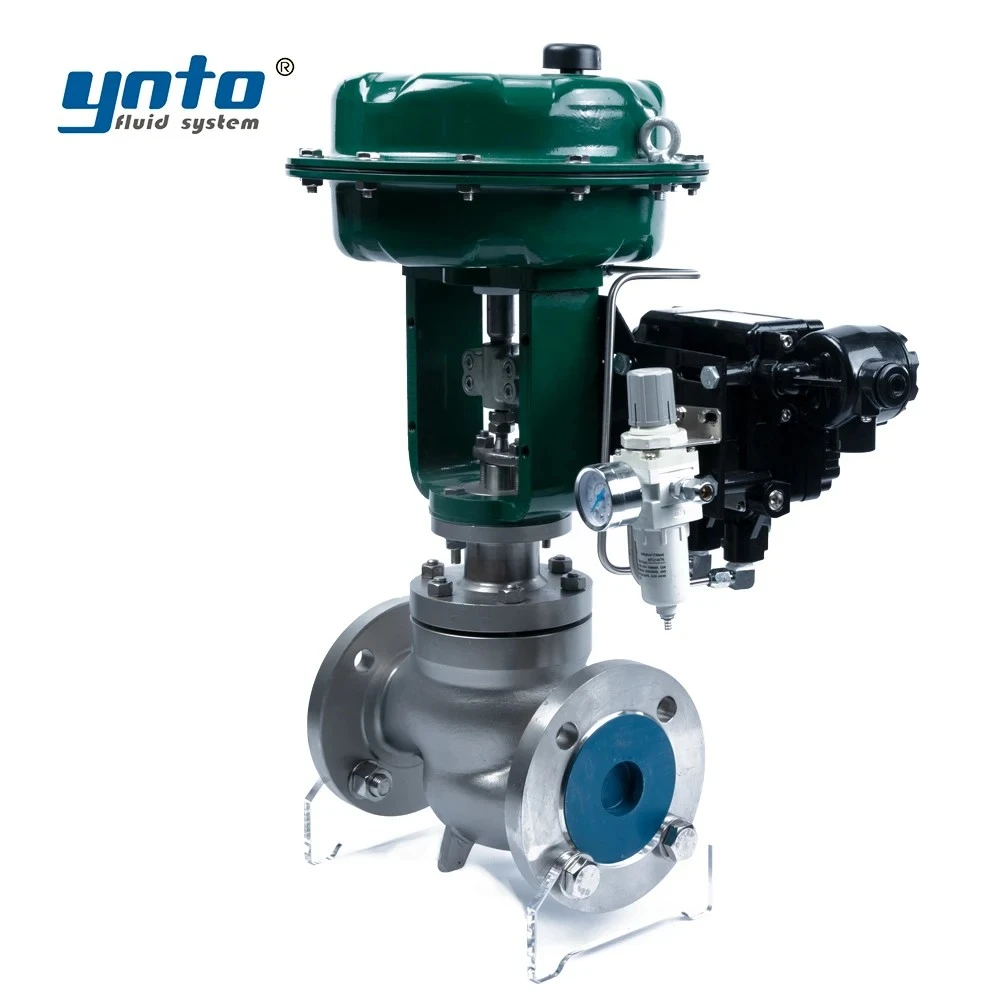
A good starting point is to treat the valve as part of a system, not a standalone component. The body, trim, actuator, position feedback, and signal path all influence drum stability. If you are evaluating replacement hardware or packaged assemblies, YNTO’s control valve solutions show the company’s core industrial control-valve range, including electric and pneumatic control valves for automated process service.
Identifying Feedwater Control Valve Problems
Symptoms of Malfunction
A failing feedwater control valve usually announces itself through operating behavior before it fails mechanically. In commissioning and daily operation, engineers often see oscillating drum level, noisy throttling, delayed travel, or a valve that looks open on the controller but does not actually deliver the expected flow. Another common sign is small-flow instability: the valve hovers near a narrow opening, vibrates slightly, and cannot settle. WARE compares valve styles directly and notes that gate-style modulation is less precise, while globe valves offer better precision because the movement is aligned with the regulation task; it also points out that gate-style designs are more prone to leakage over time.
The first cause-and-effect chain is easy to recognize in the field. Pressure fluctuation across the trim creates micro-vibration at small openings; micro-vibration accelerates wear on seats and guides; wear then delays response and weakens shutoff. A second chain is just as common: repeated thermal cycling fatigues sealing materials and stem packing, minor leakage begins, and that leakage keeps adding water even when the controller thinks the valve is nearly closed. The result is not merely nuisance drift. Jordan warns that insufficient water level can leave tubes exposed and overheating, while excess water can carry liquid into the steam outlet and reduce boiler efficiency downstream.
Impact on Boiler Efficiency
Feedwater valve problems almost always show up in the steam balance. When the valve cannot track changing demand, the boiler either starves or overfeeds during load swings. WARE emphasizes that the point of a modulating feedwater valve is to keep up with changing demand quickly and precisely, without appreciable lag. If that precision disappears, the control loop compensates harder, pumps cycle more aggressively, and operators often see unstable steam production at exactly the moments the plant needs the boiler most.
This is why feedwater troubleshooting is never only about “fixing the valve.” It is about recovering boiler efficiency. A control valve that drifts, sticks, or leaks forces the level loop to chase errors continuously. Over time, that extra correction costs energy, increases wear on actuators and pumps, and narrows the operating margin for safe steam generation.
Technical Aspects of the Feedwater Control Valve
Understanding Valve Position Feedback
Valve position feedback is where many hidden faults are found. A controller may output a 4–20 mA signal or another modulating command, but the valve only performs correctly if the actuator, linkage, and position feedback system translate that command into real travel. Winstel’s feedwater valve listings show that market-standard packaged feedwater valves are commonly supplied with 0–135 Ohm, 4–20 mA, and on/off control options, while general control-valve references note that modulating valves rely on positioners to make sure the valve reaches the commanded opening and to overcome friction in the mechanism.
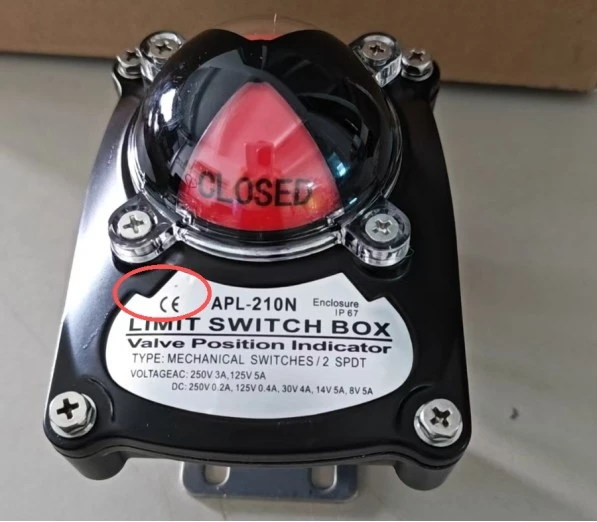
In practical troubleshooting, one common sign is mismatch between commanded travel and actual travel. The screen says 35 percent open, but the stem pauses, overshoots, or fails to hold. That usually points to feedback drift, positioner calibration issues, loose linkage, or actuator torque loss. For this reason, many engineers specify accessories that make the real valve position easier to verify. YNTO offers an electro-pneumatic positioner and a limit switch box, both listed in its accessories portfolio for automated valves. Those components are especially useful when you need to confirm whether a “signal problem” is actually a “motion problem.”
From a materials standpoint, the hot wetted section of a feedwater valve is not the place to use soft materials casually. Carbon steel and alloy steel bodies remain common where pressure containment is the priority, while stainless or 316/316L trim may be preferred where oxygenated condensate, corrosion risk, or longer service life matter. Elastomers such as EPDM or FKM, and even PTFE, are more appropriate around cooler accessory packages, seals, and external interfaces than at the hottest throttling zone itself. Engineers in boiler rooms learn this quickly: wrong material choice does not fail elegantly. It corrodes, hardens, swells, or leaks.
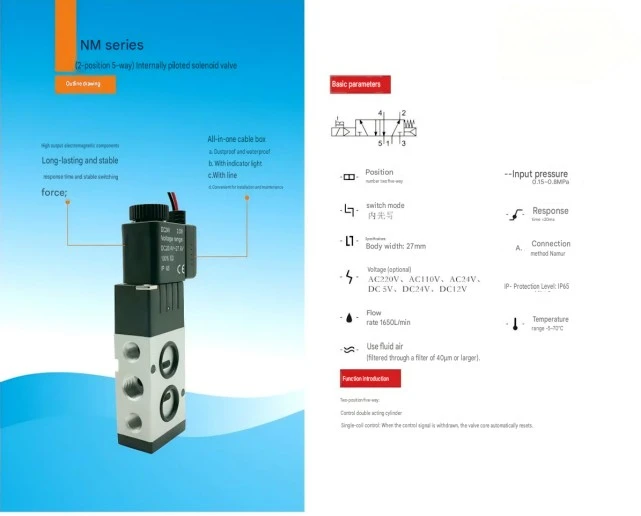
Pressure Drops in Control Valves
Pressure drop is not just a calculation on a datasheet. It often explains why the valve is noisy, why the actuator is overloaded, and why trim damage arrives earlier than expected. Jordan states that its sliding-gate feedwater valve uses a straight-through flow path with less turbulence and can handle significant pressure drop, while WARE notes that modulating V-port ball valves can offer lower operating pressure drop and bubble-tight shutoff when selected correctly. Together, those sources make the main engineering point clear: valve geometry shapes both controllability and survivability.
During troubleshooting, a common field pattern looks like this: excessive valve pressure drop increases local velocity, local velocity pulls pressure down at the restriction, and repeated cavitation or flashing damage roughens the trim. Once the trim is damaged, the valve loses stable control at low opening. The operator sees hunting. The actuator sees higher torque. The plant sees unreliable drum level. This is exactly why boiler feedwater control valve sizing should never be treated as an afterthought. WARE explicitly says sizing should be based on boiler size, operating pressure, and the supply pressure and flow through the piping and valve.
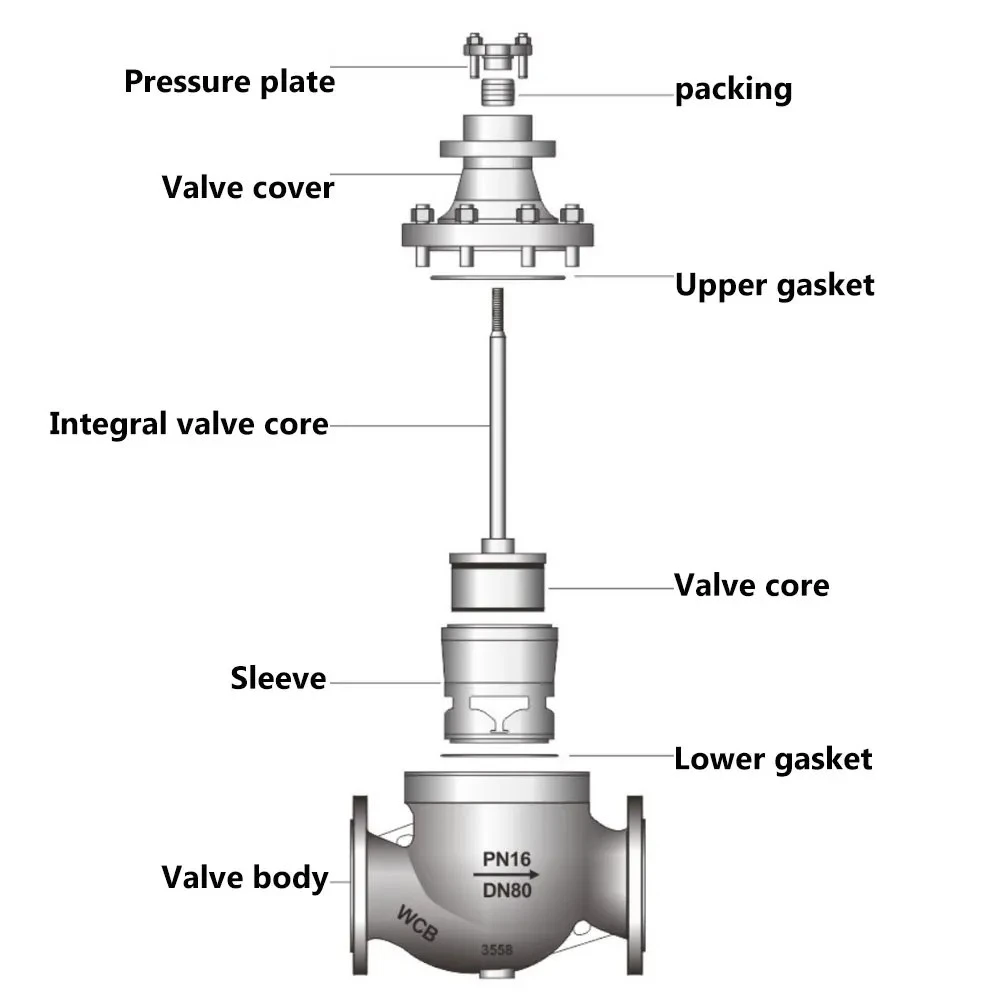
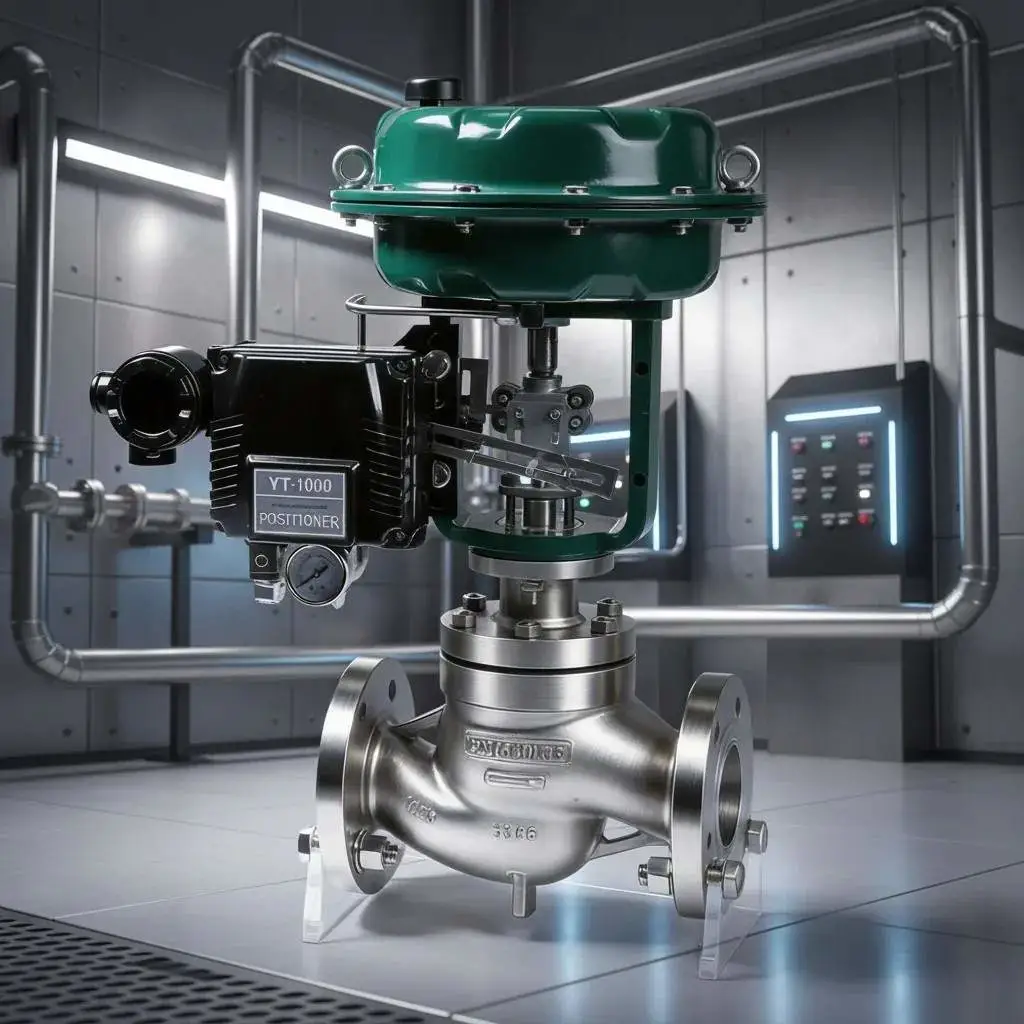
Maintenance Strategies
Regular Inspection Protocols
Control valve maintenance works best when it is boring. By that I mean predictable, disciplined, and data-backed. A useful inspection protocol starts with valve travel verification, actuator sound, stem packing condition, seat leakage checks, and review of level trend data during normal and peak demand periods. Jordan describes single-element, two-element, and three-element drum-level control schemes; in practice, those frameworks also help maintenance teams understand whether the problem is inside the valve or upstream in the measurement and control loop.
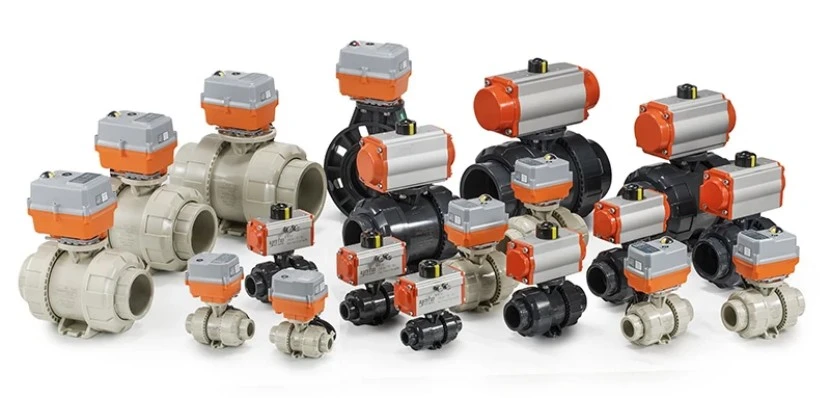
The actuator deserves extra attention. When rising torque appears, engineers should not assume the motor is the root cause. Sometimes the actuator is healthy and the trim is sticking; sometimes the trim is fine but the actuator has lost calibration or stroke integrity. YNTO’s catalog includes an electric actuator for automated valve packages, which is useful when a plant is upgrading old mechanical linkages or standardizing on electric actuation for better repeatability and easier signal integration.
Safety requirements belong inside maintenance, not beside it. Feedwater valves operate in a high-pressure, high-temperature environment, and mistakes around isolation or disassembly can be unforgiving. ASME’s Boiler and Pressure Vessel Code provides rules for the design, fabrication, inspection, testing, and certification of boilers and pressure equipment, and those rules matter because feedwater control valves sit in systems where pressure containment is not optional. In procurement and inspection, engineers also look at ANSI shutoff class expectations, ISO actuation interfaces, API-oriented project requirements, and in many export markets DIN or EN dimensional conventions as part of broader package compliance. YNTO’s published market references include EN 12516-4, PED 2014/68/EU, ISO 5211, ISO 15848-1, API 6D, and ASME B16.34 in various industrial contexts, which shows how standards increasingly shape valve selection beyond simple Cv.
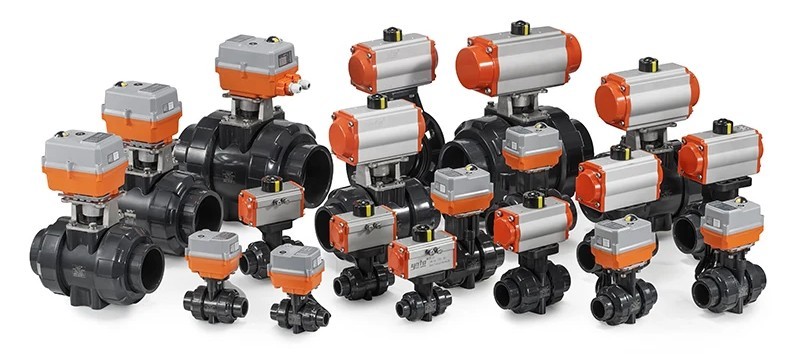
Boiler Feedwater Control Valve Sizing Considerations
When a feedwater valve is undersized, the loop forces it to run too close to full open and any change in demand becomes hard to absorb. When it is oversized, the valve spends too much time almost closed, which is exactly where low-flow vibration, poor resolution, and seat wear tend to become visible. Engineers in commissioning often spot this by trend alone: a valve that jumps between positions or cannot hold a stable small opening is frequently a sizing problem before it is a hardware problem. WARE’s guidance on selecting feedwater valves by boiler size, operating pressure, and available supply pressure is sound because it addresses the full hydraulic picture, not just nominal line size.
Material selection should be folded into sizing as well. Winstel’s feedwater valve offerings show both carbon steel and stainless steel bodies with ratings up to 1480 psi and 650°F, which is a reminder that pressure, temperature, material, and control signal all interact in real service. If oxygen ingress, condensate chemistry, or external corrosion is a concern, engineers may also evaluate 316L trim, upgraded packing, or external coatings such as FBE or Halar on appropriate auxiliary components, though those coatings are not substitutes for proper hot-service trim design.
Common Fixes for Valve Issues
Repairing Position Feedback Mechanisms
Position feedback problems are often solved by methodical recalibration rather than wholesale replacement. Start by comparing controller output, actuator stroke, and actual valve travel. Check linkage looseness, positioner zero and span, limit switch function, and signal integrity. If friction is high, repair the mechanical cause first; a smart positioner cannot compensate forever for a stem that is trying to seize. General control-valve references note that positioners exist precisely to ensure the valve reaches the desired opening and to overcome frictional effects.
Addressing Pressure Drop Concerns
If pressure-drop-related damage is the culprit, the repair may require a trim change, not just a seal change. Engineers should compare actual operating differential pressure against original sizing assumptions, inspect the trim for cavitation damage, and review whether the valve style remains appropriate for the current boiler duty. In some cases, replacing a worn body with a better-suited automated package is the most economical move. Plants that want a broader automation upgrade can review YNTO’s electric valve portfolio, which groups electric actuators, electric ball valves, and electric butterfly valves for integrated package selection.
Strategies for Fail Position Handling
Fail position is one of those topics engineers argue about because the right answer is application-specific. In one plant, fail-closed may be the proper hazard mitigation strategy to prevent overfilling after loss of signal. In another, fail-open or fail-in-place may better protect boiler tubes, depending on feed pump logic, low-water cutoffs, and the overall emergency philosophy. Control-valve references describe fail-open and fail-closed behaviors as part of the plant’s safety specification, and spring-return actuator behavior is central to that decision. The mistake is copying a fail action from another boiler without doing the current hazard review.
Conclusion
A boiler feedwater control valve does not have to be visibly broken to be hurting the plant. If it hunts at low openings, reacts slowly to load swing, shows rising torque, or leaks after repeated cycling, it is already telling you the system needs attention. Jordan and WARE both underline the same lesson from different angles: drum level control demands a responsive valve, accurate motion, and the right valve geometry for changing load. When those conditions are restored, boiler efficiency, stability, and operator confidence improve together.
The practical fix is rarely mysterious. Verify sizing. Inspect the trim. Recalibrate or replace the position feedback hardware. Review material compatibility. Confirm the fail position against actual plant hazards, not assumptions. And when the package is beyond patching, move to a properly specified automated valve assembly with the feedback and accessory support the service really needs. YNTO’s published valve and accessory range shows that buyers can source control valves, electric actuators, positioners, limit switches, and broader automated valve packages from one supplier, which is useful when standardization matters as much as the valve itself.
.png?imageMogr2/format/webp)
- 2026-09-30 08:25:23
- 2026-09-28 10:28:43
- 2026-09-21 15:23:44