Comparing Oil and Gas Transportation Valve Solutions
- 2026-09-09 09:50:27
- admin
- NO COMMENTS
Introduction
At a compressor station before the morning handover, line pressure appears steady until a bypass valve begins to hunt. The actuator moves a few degrees, settles, then moves again. Farther along the skid, a packing gland shows a dark film and an isolation valve needs more torque than it did during commissioning. Nothing has failed outright, yet the system is already warning of unstable differential pressure, sealing-surface wear, or early material aging.
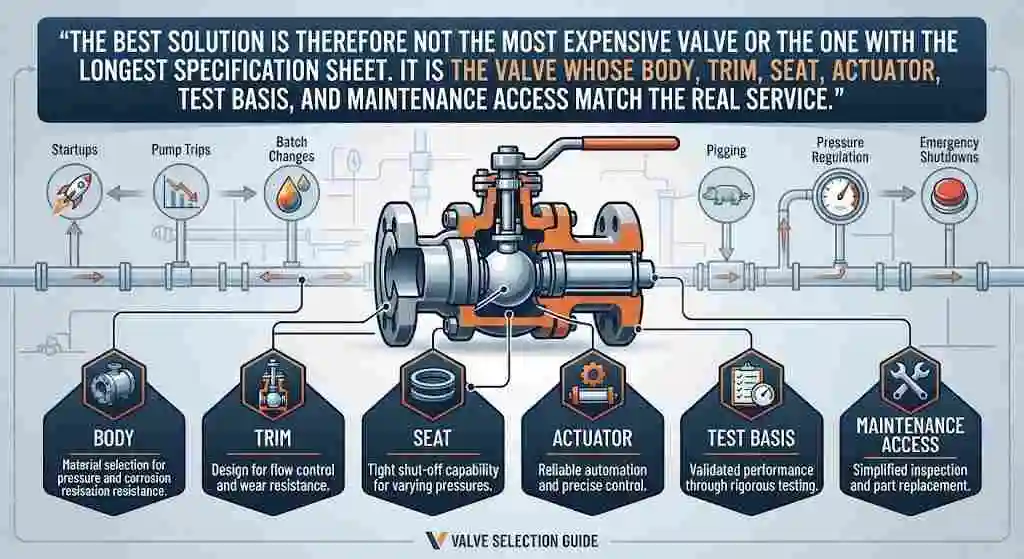
Oil and gas transportation rarely presents one clean operating point. Startups, pump trips, batch changes, pigging, pressure regulation, and emergency shutdowns all alter the load on pipeline valves. The best solution is therefore not the most expensive valve or the one with the longest specification sheet. It is the valve whose body, trim, seat, actuator, test basis, and maintenance access match the real service.
Why Transportation Valves Matter
Transportation valves separate pipeline sections, regulate delivery pressure, prevent reverse flow, and support a controlled response to abnormal conditions. In gas distribution systems, incomplete closure can extend a release. In a liquid line, closing too quickly may create a surge that loads the pipe, supports, and seat far beyond the steady-state case.
Engineers often see the causal chain before it reaches the alarm history. Compressor pulsation causes microscopic disc or plug movement; that motion frets the seating band; the damaged surface then leaks or responds slowly when isolation is needed. The valve supports safety only when sensing, logic, actuator power, piping, and operating procedure work with it.
Key Considerations in Valve Selection
Selection starts with the operating envelope: composition, normal and upset pressure, differential pressure in each direction, temperature, flow range, solids, water, and cycle frequency. Sour gas, wet CO2, chlorides, sand, or wax can change the answer. Buyers should also define allowable leakage, fire-safe and fugitive-emission requirements, closing time, fail position, hazardous-area classification, and piggability.
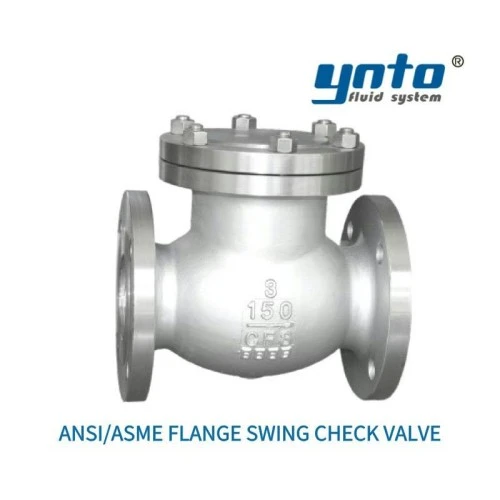
Reverse-flow risk deserves its own review around pumps and compressors. An ANSI/ASME flange swing check valve can provide automatic non-return protection where its size, pressure class, cracking behavior, orientation, and dynamic response suit the line. It should not be treated as an emergency isolation valve. If velocity falls too low, a swing disc may hover and chatter; if reverse velocity builds before closure, slam can damage both the valve and the pipeline.
Specifications should name the edition and scope of each standard. ANSI/ASME B16.34 addresses pressure-temperature ratings, materials, testing, dimensions, and marking for covered metal valves. API 6D applies to pipeline and piping valves, while API 598 may govern inspection and pressure testing. ISO 14313 addresses pipeline valves, ISO 15848 fugitive emissions, and DIN EN 558 face-to-face dimensions for many flanged metal valves. These references do not prove universal certification; the purchase order and certificates must identify the ordered configuration.
Types of Valves in Oil and Gas Transportation
Isolation Valves for Gas Distribution Systems
Ball valves are often favored for quarter-turn isolation and low pressure loss when a full bore is required. Trunnion-mounted designs can control torque at larger sizes and higher differential pressures. Gate valves provide a straight flow path for fully open or fully closed duty. High-performance or triple-offset butterfly valves save weight and space in large diameters, although seat design and leakage class must match the service.
Gate valves should not be left throttling near the seat. High velocity cuts across a small opening, vibration rises, and the seating edges wear; an attempt to trim flow ends with higher torque and unreliable shutoff.
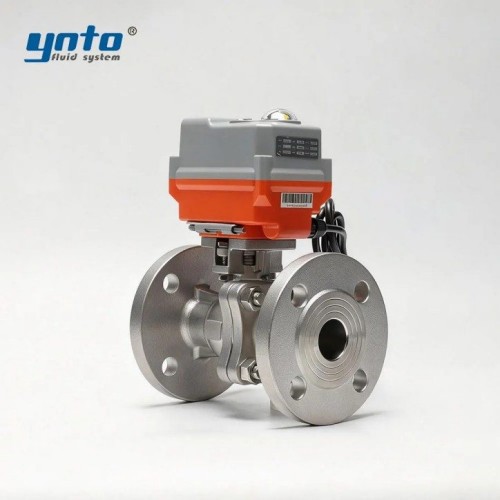
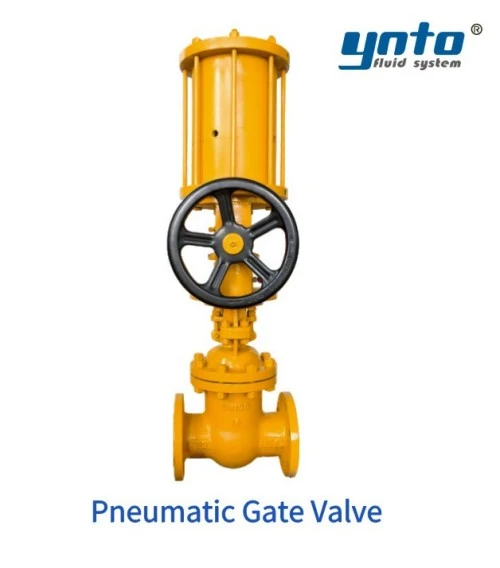
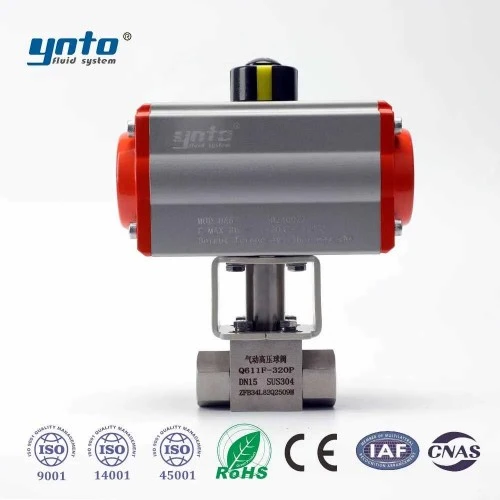
The comparison changes with the duty. A ball valve acts quickly, yet rapid closure may increase surge. A gate valve minimizes restriction, but stroke time and stem condition need attention. A butterfly valve reduces envelope and actuator demand while its disc remains in the flow. A pneumatic gate valve for oil and gas pipelines can be evaluated for compatible service. For emergency shutdown, engineers size from maximum break torque or thrust and minimum available air—not pipe diameter alone.
Flow Control Solutions
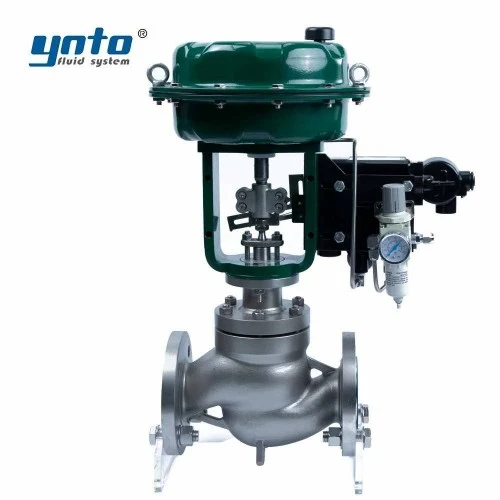
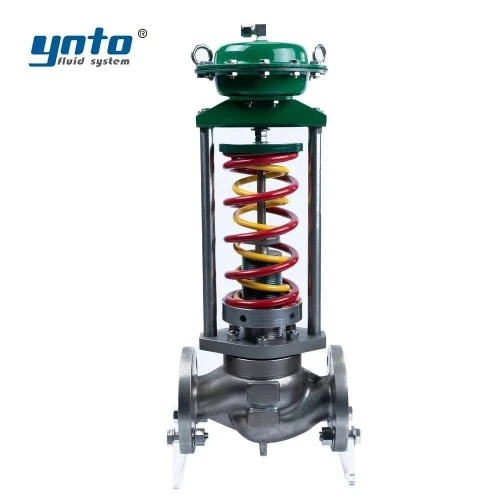
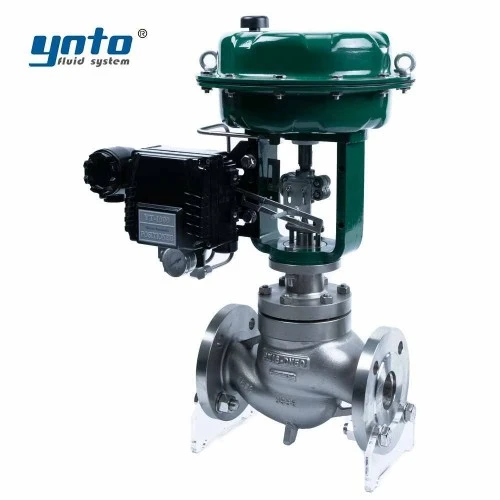
Isolation and regulation should not be confused. Control valves spend much of their life between open and closed, so trim stability, rangeability, cavitation, noise, and actuator response matter more than a simple shutoff claim. Globe and sleeve-guided designs suit many pressure-control duties; V-port ball valves fit selected services, while needle valves usually serve small instrument lines.
At low flow, an oversized control valve operates close to the seat. The plug hunts across a narrow travel band, small pressure disturbances become repeated corrections, and vibration wears the guide and seat. Correct sizing is therefore a reliability measure, not merely a way to pass design flow.

Manual vs. Automatic
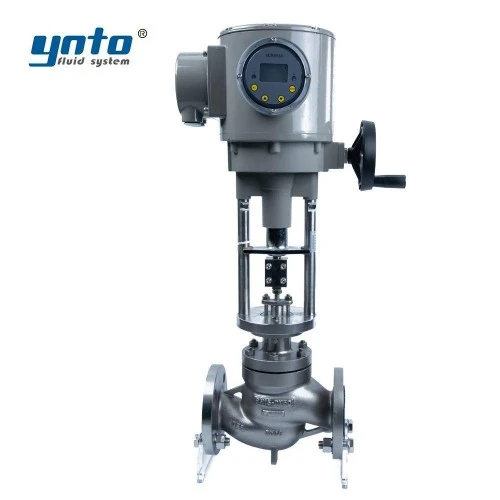
Manual valves remain sensible at drains, vents, maintenance boundaries, and infrequently operated locations with safe access. They are visible and independent of instrument power. Automatic valves add value where response time, sequencing, or fail-safe movement matters. Pneumatic actuators offer spring return when dependable air exists; electric actuators suit wired sites; hydraulic systems can deliver high force remotely.
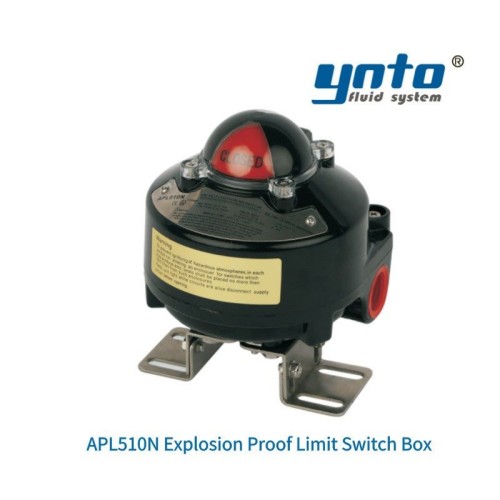
Automation does not make a valve safer by itself. The shutdown function must define the trip, final position, travel time, stored energy, feedback, reset, and test interval. In flammable service, the actuator, switch box, solenoid, glands, and wiring must match the hazardous-area documents—not a general product description.
Innovations in Oil and Gas Valve Technology
Leak Detection Systems
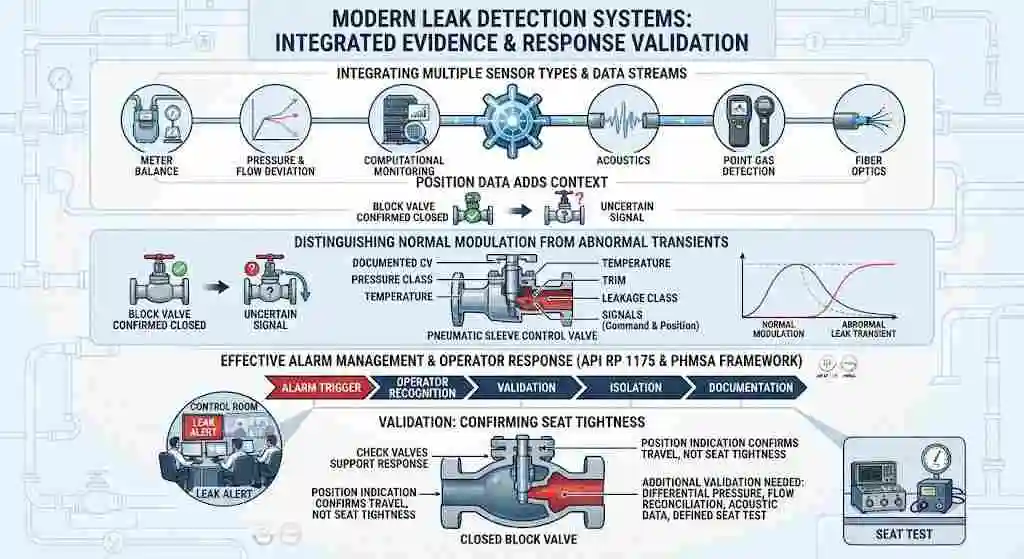
Modern leak detection systems combine evidence rather than waiting for one perfect sensor. Meter balance, pressure and flow deviation, computational monitoring, acoustics, point gas detection, and fiber optics each see different leak sizes and conditions. Position data adds context: falling downstream pressure means something different when a block valve is confirmed closed than when its signal is uncertain.
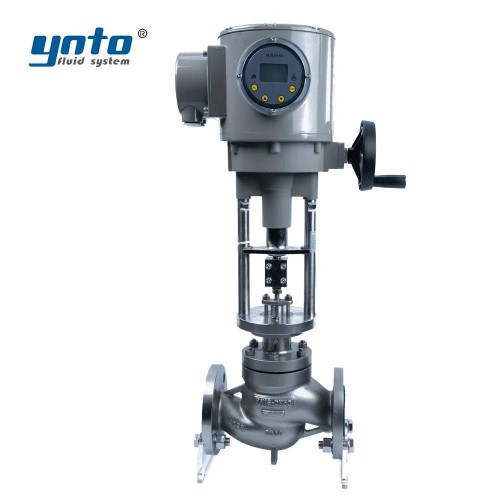
Normal modulation must also be distinguishable from an abnormal pressure loss. A pneumatic sleeve control valve may suit that duty when its documented Cv, pressure class, temperature, trim, leakage class, and signals match. Reliable command and position data help the monitoring model interpret each transient.
During commissioning, an alarm that disappears whenever the operating mode changes often points to thresholds tuned for one stable condition. API RP 1175 provides a program-management framework for leak detection, while PHMSA describes systems that alert operators so they can reduce release duration and volume. The practical test is whether operators can recognize the alarm, validate it, isolate the right section, and document the response under realistic conditions.
Check valves and shutdown valves support that response but do not detect leaks on their own. Position indication also confirms travel, not seat tightness. Differential pressure, flow reconciliation, acoustic data, or a defined seat test may still be needed before the control room can conclude that a closed valve is actually containing the line.
Corrosion-Resistant Materials
Material selection should follow chemistry and temperature, not a label such as “corrosive service.” Carbon or alloy steel can be economical when corrosion allowance, coating, and exposure are addressed. 316L improves resistance in many fluids, but warm chlorides can still cause pitting or stress-corrosion cracking. Duplex or Super Duplex may suit chloride-rich produced water or offshore service after welding, heat treatment, and project requirements are reviewed.
Soft parts matter equally. PTFE offers broad chemical resistance within its pressure-temperature limits. FKM suits many hydrocarbon duties; EPDM fits many water services but generally not petroleum oils. Temperature cycling hardens or relaxes an unsuitable seat, sealing load falls, and a small release exposes personnel and forces maintenance.
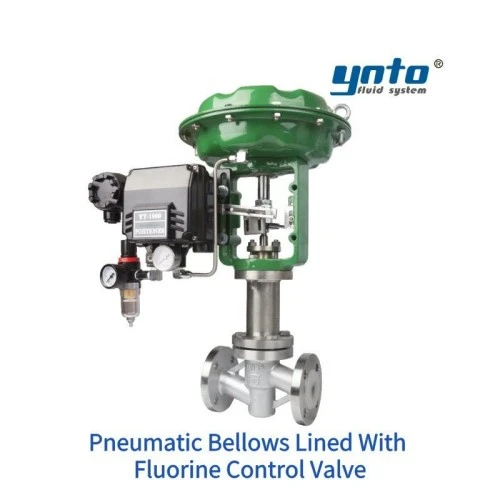
External protection also matters. Fusion-bonded epoxy, or FBE, works with cathodic protection on many buried assets. Halar may suit selected aggressive environments, but no coating compensates for poor preparation, installation damage, or the wrong base alloy. A corrosive medium attacks mismatched material, local pitting reduces the pressure boundary or roughens a stem, and leakage shortens service life while raising risk. In highly corrosive duty, a fluorine-lined bellows control valve may be assessed against the actual medium, pressure, temperature, lining, bellows, and test records.
Integrating IoT for Pipeline Monitoring
Useful IoT integration begins with measurements that maintenance teams can act on. Position, stroke time, actuator current, air pressure, torque, cycle count, vibration, packing leakage, and differential pressure can reveal a developing fault. Rising current near the seat, for example, may identify deposits or friction before the actuator trips.
Digital communication does not turn a process valve into a mainline pipeline valve. Protocol compatibility, fail action, cybersecurity, local override, signal validation, and safe behavior during network loss all belong in the design review.
For engineers working on site, trend quality is more valuable than data volume. A clean baseline after commissioning makes later change visible. Alarm limits then need operating-state logic so startup, shutdown, and pig passage do not flood the control room with expected transients.

Best Practices for Pipeline Valves
Installation Tips for Pipeline Valves
Before installation, verify the tag, flow direction, pressure class, materials, seat, actuator, certificates, and storage condition. Keep flanges parallel, support heavy actuators where required, follow the gasket and bolting procedure, and never pull misaligned pipe together through the valve. Welding slag, rust, or sand can score a seat during the first stroke.
Access is part of the design. Technicians need room for packing adjustment, actuator removal, tests, vents, drains, and lifting. Buried valves require suitable extensions, drainage, and corrosion control. Before introducing hydrocarbons, complete specified shell and seat tests, loop checks, stroke tests, fail-action verification, alarms, and closure-time confirmation. Plant procedures must control ignition and stored pressure; lockout, isolation, depressurization, draining, gas testing, and personal protection come first.
Operational Efficiency in Flow Control Solutions
Efficient operation is not simply the lowest valve pressure drop. An isolation valve should usually stay fully open or closed, while the selected control valve should work through a stable travel range. Engineers compare valve loss with compressor or pump energy, but they also check whether lower resistance sacrifices control authority, anti-surge performance, or shutoff reliability.
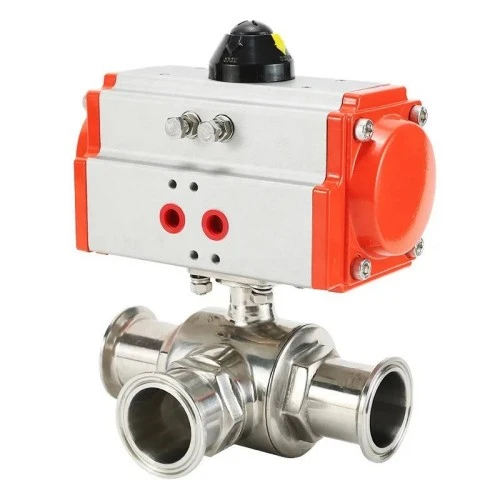
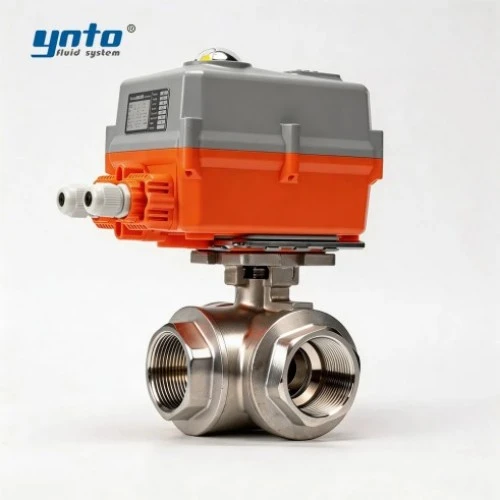
Small trend changes matter. Rising differential pressure across an open valve can indicate deposits or incomplete travel. Increasing stroke time may point to low air pressure, sticky packing, corrosion, or actuator trouble. For compatible smaller diversion or mixing duties, an RS485 electric three-way regulating ball valve can be reviewed against its published size, pressure, temperature, materials, connection, and controls. Investigating change early is safer than increasing force until a stem, seat, or coupling fails.
Minimizing Downtime with Valve Maintenance Services
Effective valve maintenance services combine fixed safety tasks with condition evidence. Statutory inspections, emergency shutdown proof tests, and mandated leak surveys stay on schedule. Packing adjustment, lubrication, filter service, seat testing, and actuator overhaul can then use cycle count, leakage history, torque or current trends, and criticality to set the work scope.
Records should preserve as-found condition, parts replaced, test pressure, leakage result, direction tested, actuator settings, and as-left performance. Those details expose repeating failures. If every overhaul finds eroded trim, another identical kit is not the answer; process conditions, sizing, material, or valve type need review. Critical spares should match the exact seats, packing, solenoids, positioners, switches, and actuator seals installed.
The goal is planned intervention with a defensible reason. A valve that is easy to isolate, test, remove, and rebuild may deliver a lower lifecycle cost than a cheaper unit that forces a long shutdown whenever its packing begins to leak.
Conclusion
The Future of Oil and Gas Valve Solutions
The market is moving toward lower fugitive emissions, better diagnostics, remote actuation, and tighter integration between pipeline valves and leak detection systems. Those advances will help, but fundamentals remain decisive: the right valve type, materials, pressure class, sealing system, actuator margin, and test evidence for the stated duty. Smart monitoring can reveal deterioration earlier; it cannot rescue a valve selected outside its operating envelope.
Call to Action
For a useful comparison and quotation, send YNTO the medium and composition, line size, connection, design and operating pressure, differential pressure, temperature, flow range, required leakage class, cycle frequency, fail position, actuation supply, control signal, hazardous-area requirements, and applicable API, ANSI/ASME, ISO, or DIN standards. Request drawings, material certificates, actuator sizing, pressure-test records, and maintenance recommendations for the exact offered configuration. That information turns a product search into an engineered oil and gas transportation valve solution.

- 2026-10-19 08:49:57
- 2026-10-16 10:48:59