Choosing the Right Data Center Leak Prevention Valves to Avoid Short Circuits for Your Facility
- 2026-06-10 09:52:28
- admin
- NO COMMENTS
In a chilled-water data hall, the first sign of trouble is rarely dramatic. More often, an engineer on a night round notices a thin reflective line under a CRAC unit, a few droplets collecting near a valve connection, or a raised-floor tile that feels slightly damp around the edge. Cooling water, condensate, and secondary loop fluid all move quietly through the building, and that is exactly why small failures are so dangerous: they stay invisible until they reach power equipment, cable trays, or UPS spaces. Ambient and TTK both point to the same pattern in real facilities — CRAC units, chilled-water piping, condensate drains, raised floors, adjacent rooms, and valve assemblies are all common leak paths in mission-critical environments.
For engineers working on site, the troubling symptoms are usually familiar. A valve that closes a little slower after several cycles. A small pressure wobble when a pump changes state. A condensate line that looks harmless until it overflows and starts tracking water underfloor. That chain is worth taking seriously: blocked drain or loosened fitting → hidden water spread beneath the raised floor → contact with UPS or electrical distribution → short circuit, outage, and in the worst case, fire. INFICON adds another chain that is just as relevant in modern liquid cooling: thermal cycling or pressure fluctuation → microleak growth at seals and fittings → coolant escape into sensitive hardware → thermal instability or short-circuit damage.

The Implications of Water Damage in Data Centers
How Water Damage Leads to Short Circuits
Water damage inside a data center is not simply a housekeeping issue. Once liquid reaches energized zones, even good electrical insulation materials stop being the main defense; the failure mode becomes conductive bridging, contamination, and creeping moisture around terminals, boards, and distribution components. Ambient notes that uncontrolled leaks can damage servers and network equipment, while TTK specifically warns that water intrusion into UPS rooms, inverter rooms, or battery spaces can cause short circuits and destructive fire. In practice, that means a leak prevention valve is not just a building utility item. It is part of electrical risk control.

In many field operations, the leak does not start at the rack. It starts upstream, in the mechanical network. Ambient identifies pipe joints, valve assemblies, pump seals, heat-exchanger connections, condensate pans, and drain lines as recurring weak points. A typical failure chain looks like this: thermal expansion stress in piping → small relaxation at a seal or mechanical joint → drip formation around a valve body or flange → water migration below the floor → delayed discovery because the source is hidden. By the time the alarm comes, the problem is no longer a valve leak. It is an infrastructure event.

The Costs of Ignoring Leak Prevention
The cost of ignoring leak prevention is usually spread across several budgets, which is why many facilities underestimate it. Ambient lists equipment damage, short circuits in power distribution, business interruption, repair cost, and service disruption. TTK goes one step further and notes that beyond equipment failure and outage, the worst-case scenario includes customer loss and reputational damage. In other words, what begins as a minor seep at a valve seat or cracked fitting can become both an operational and commercial problem.
Key Features of Effective Leak Prevention Valves
Durability and Material Considerations
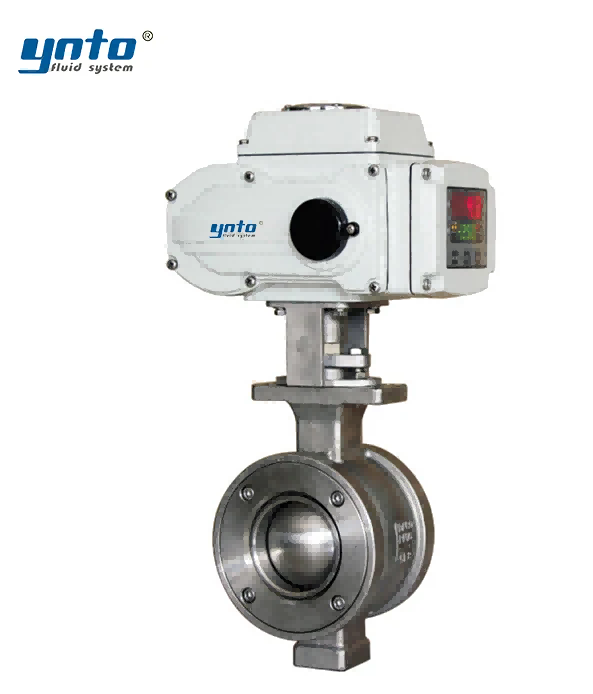
A data center cooling loop does not usually need the same metallurgy as a refinery, but buyers still make serious mistakes by treating all water service as equal. For chilled water and treated coolant branches, 316 stainless remains a dependable choice where corrosion resistance and clean wetted surfaces matter. On larger utility lines, elastomer and seat selection often decides long-term performance: EPDM works well in many water and water-glycol services, while PTFE is useful when low friction and chemical stability matter at the seat or liner. YNTO’s product range reflects that reality, offering 316 stainless sanitary butterfly valves, EPDM-sealed butterfly valves, PTFE-sealed butterfly valves, and corrosion-resistant diaphragm options, while Parker’s data-center cooling hose solutions highlighted by Valin also emphasize EPDM for fluid purity and thermal resistance. For buyers who want shutoff on larger chilled-water mains, a properly selected electric butterfly valve is often practical; where branch chemistry, cleanability, or higher purity matter, a diaphragm valve can be the safer choice.

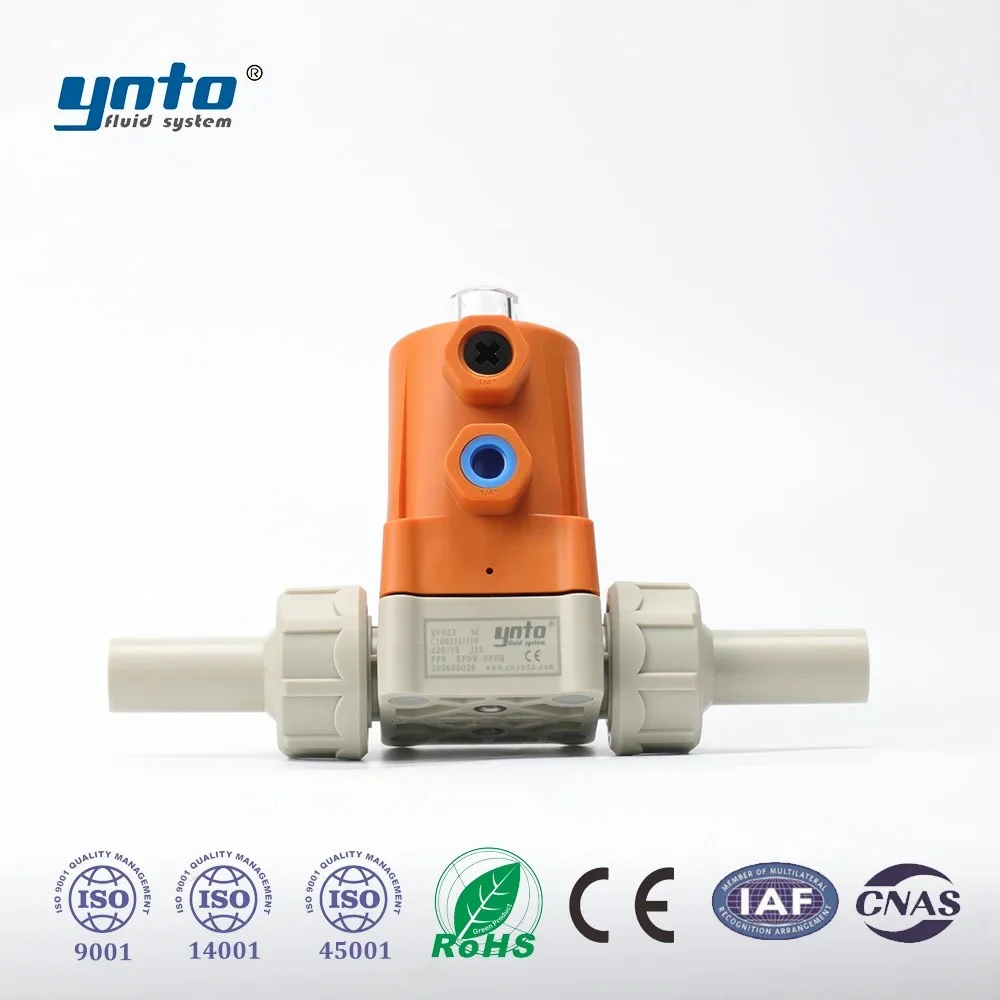
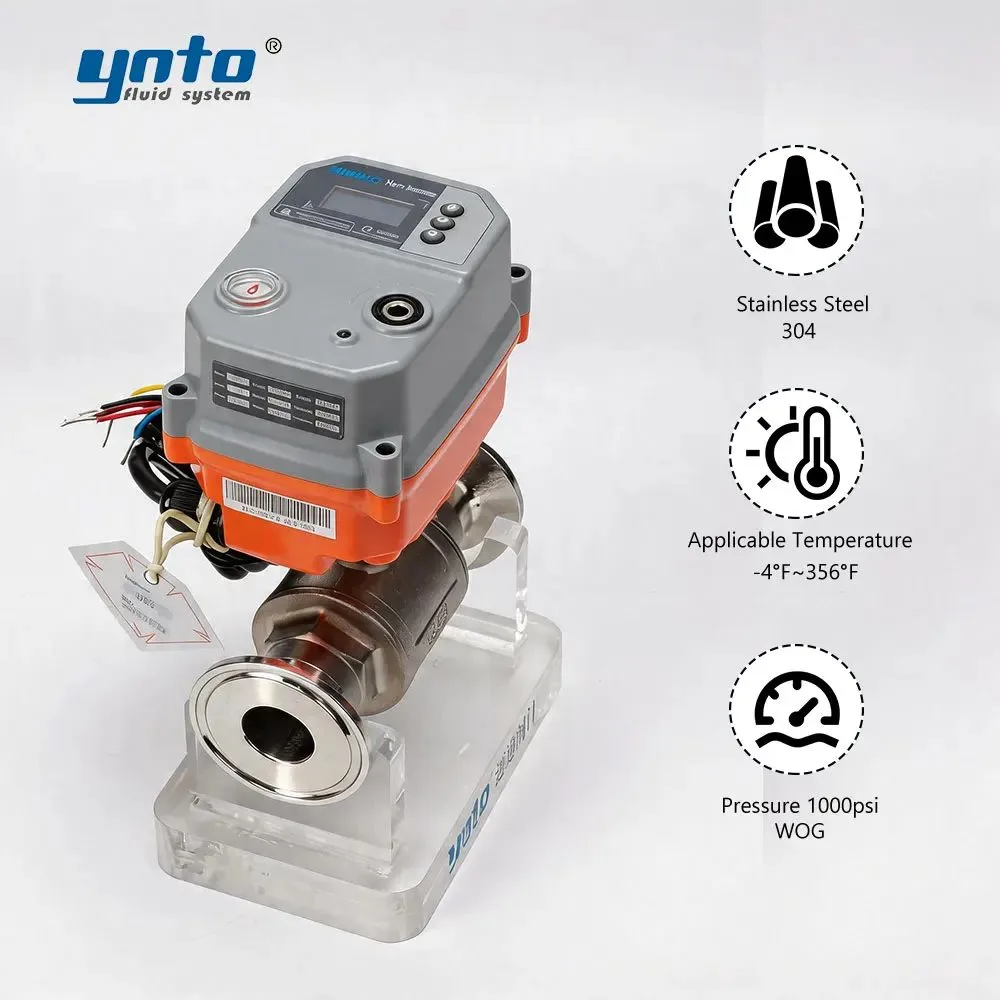
Material choice also affects failure behavior over time. Engineers often notice that a valve looks fine during installation, then begins to wet the exterior after repeated thermal cycling. That is not random. The cause chain is straightforward: repeated temperature change → elastomer fatigue or slight seat relaxation → intermittent leakage at low differential pressure → corrosion staining, actuator contamination, and eventually unreliable closure. If the valve is installed in a humid plant room or underfloor plenum, ingress protection matters too. YNTO highlights IP67 waterproof technology and wide-voltage electric valve design for harsh operating environments, which is useful in facilities where condensation, washdown risk, or unstable auxiliary power can compromise ordinary actuators.
Automatic vs. Manual Activation Mechanisms
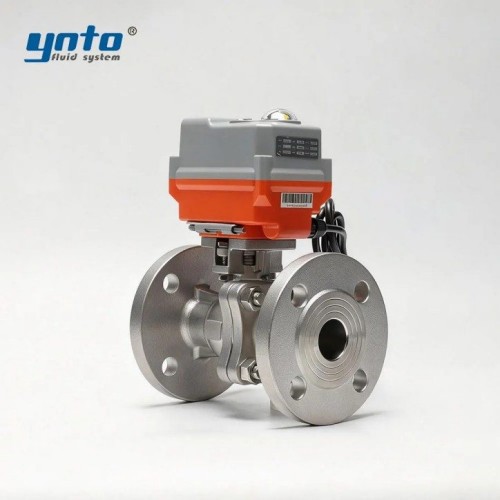
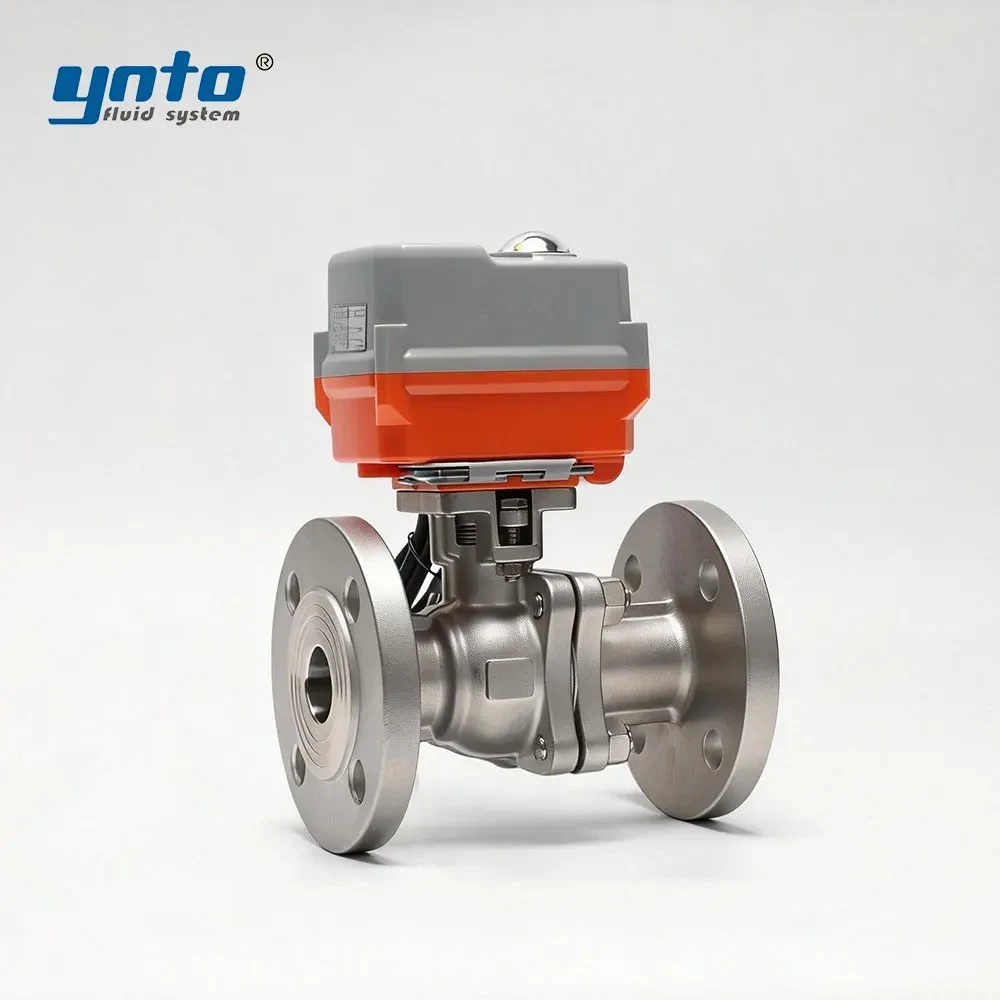
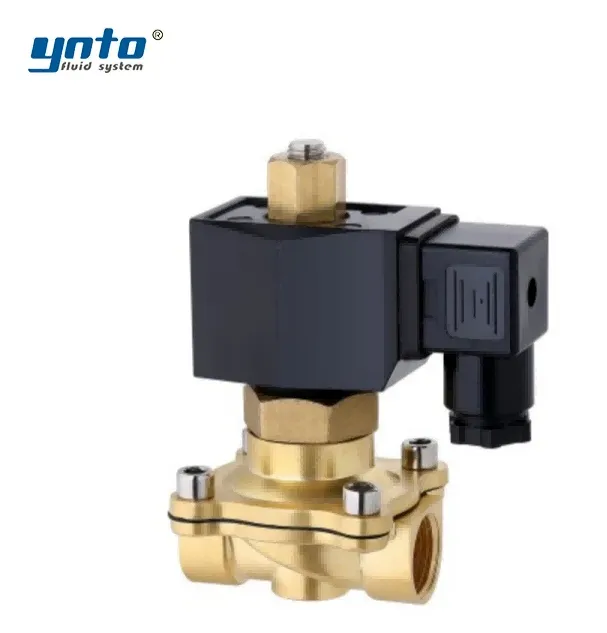
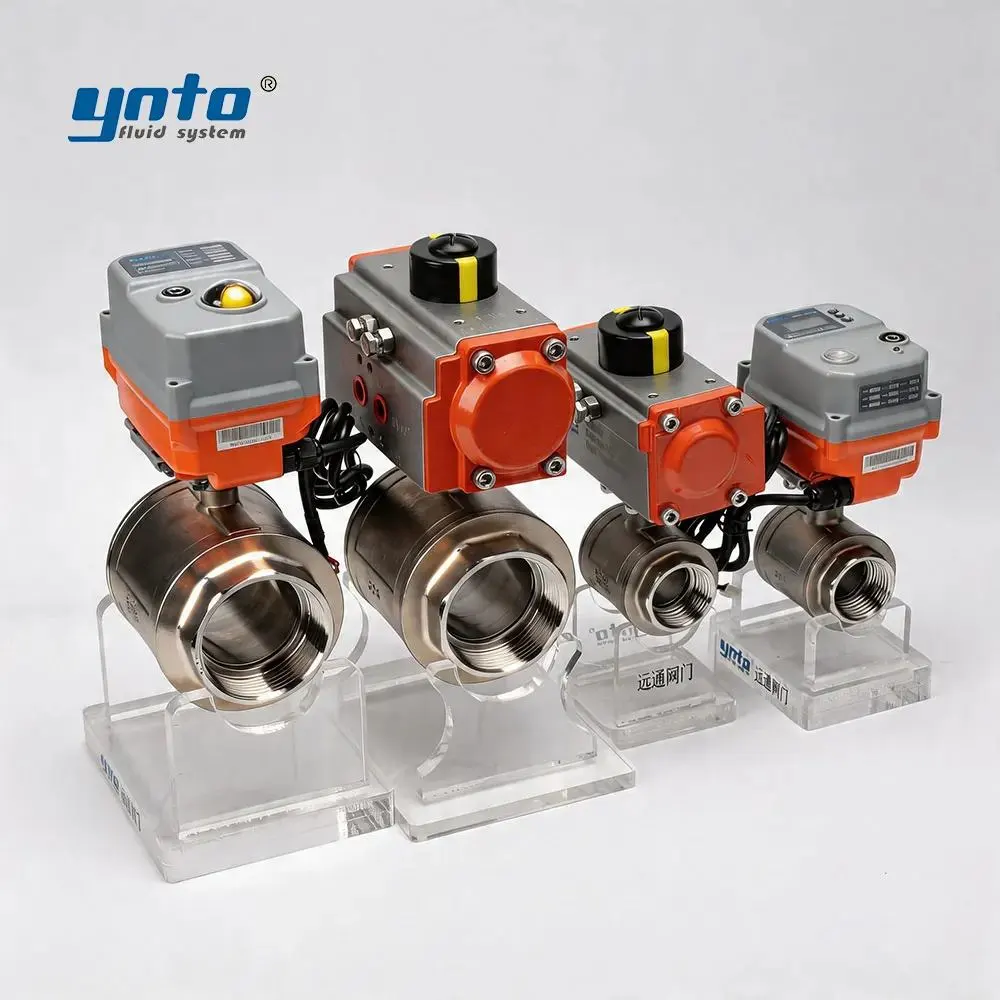
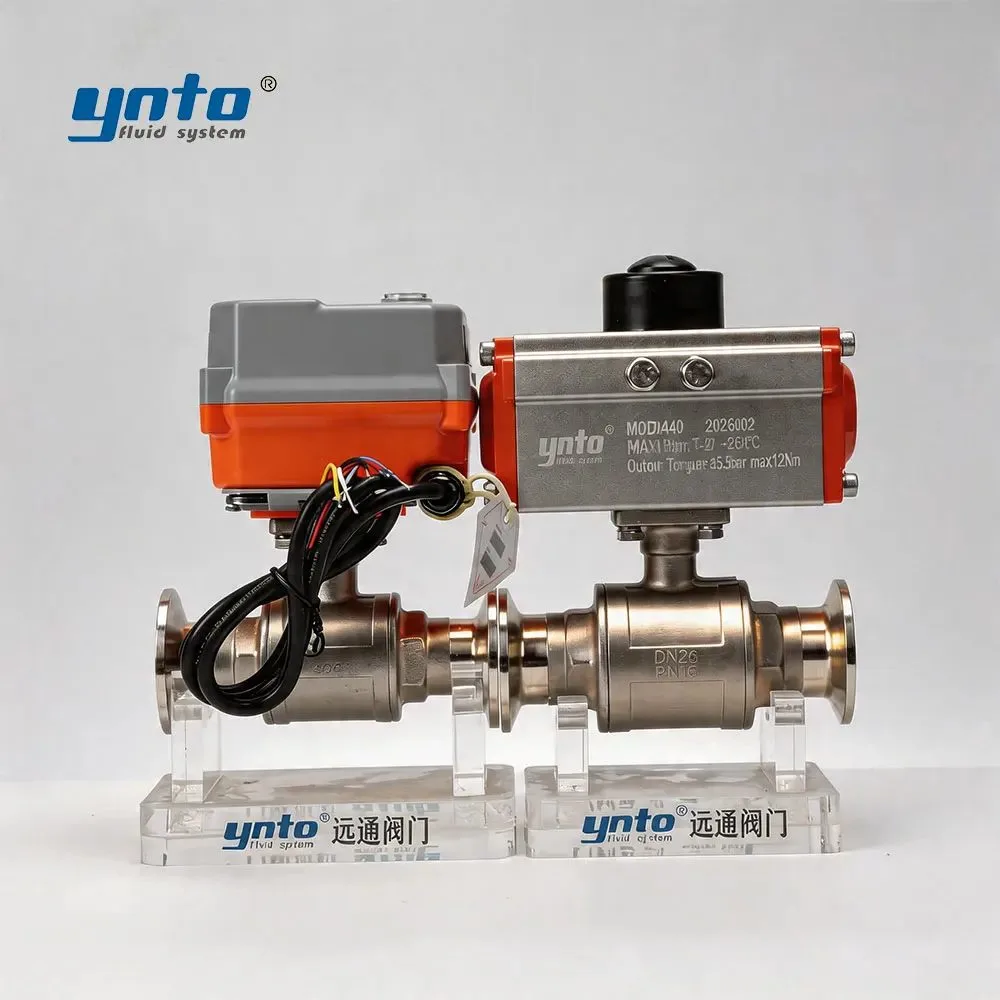
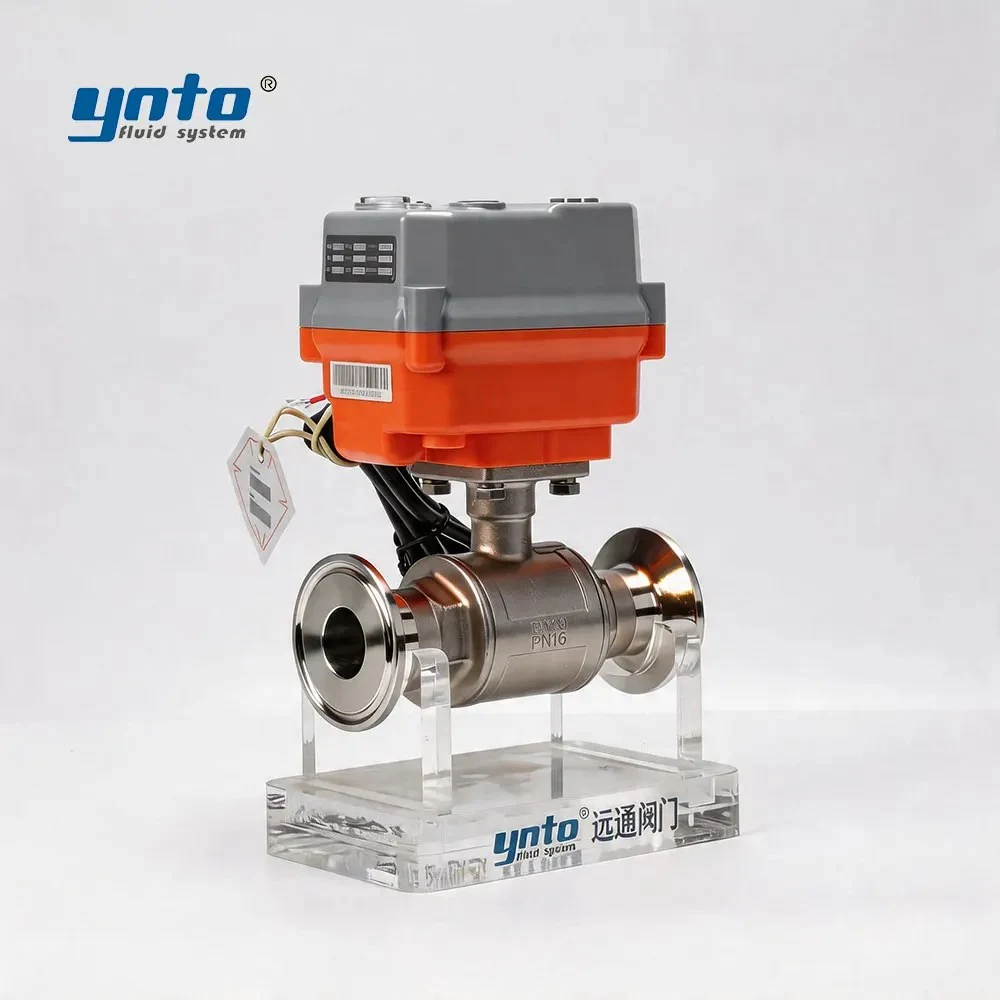
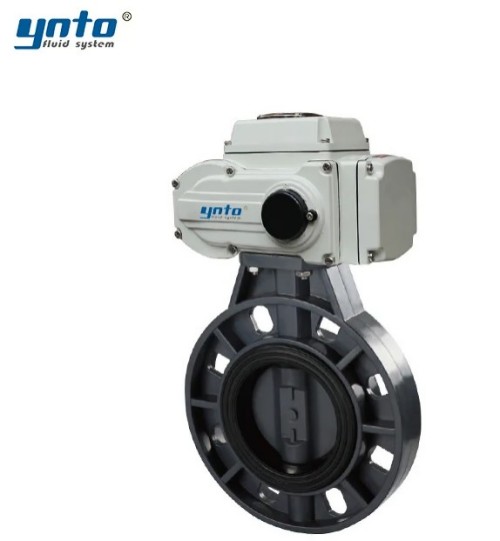
A manual valve still has value for lockout, isolation during maintenance, and local redundancy. But in an unmanned server environment, it should not be the primary leak response. Ambient’s field guidance is clear: once a leak is detected, automated logic can trigger alarms, escalate events, and activate an isolation mechanism such as a solenoid valve to stop water flow. That is where the buying decision becomes strategic. A compact electric ball valve works well for fast branch shutoff, especially when the design needs a defined fail position. YNTO’s listings include electric ball valves with optional power-off reset and RS485-ready regulating variants, which fit well into automated interlock logic. Pairing them with an electric actuator makes sense when facilities want clear on-off or modulating control plus feedback.

Leveraging Leak Detection Technology
Types of Leak Detection Systems
The most effective valve strategy starts with knowing what is happening in the pipe network before operators see water on the floor. Ambient describes three practical layers of leak detection technology: sensing cables for continuous linear coverage, point sensors under high-risk assets such as CRAC units and pumps, and wireless or IoT devices for retrofit zones where wiring is difficult. Valin’s TTK-based solutions add another useful detail for buyers: modern addressable systems can not only detect the leak, but pinpoint it on a dynamic map, in some cases down to the nearest meter. That level of precision matters when a facility has multiple chilled-water branches and several shutoff points.
Engineers usually get the best results when they place detection where leaks actually begin, not where water finally becomes visible. That means around CRAC drain trays, condensate pumps, valve clusters, pipe penetrations, underfloor routes, and rack-adjacent liquid cooling manifolds. One common field lesson is easy to miss: cable systems are better for hidden travel paths, while point sensors are better directly below known leak initiators. If a buyer asks for only one technology across the whole building, the design is probably already too simple.
Integration with Data Center Operations
Leak detection by itself is not enough. Ambient repeatedly stresses that the big operational gain comes when detection is tied into building automation, HVAC controls, and Data Center Infrastructure Management platforms. Once data from sensors enters BAS or DCIM, teams can visualize the leak location, correlate it with temperature and equipment status, log the event, and trigger automated response logic. That is where environmental monitoring systems stop being passive dashboards and become decision tools. If a cooling branch needs to throttle rather than hard-stop, a modulating electric control valve can be integrated into that same control loop.
Meanwhile, modern data centers are moving into denser liquid cooling architectures, and that raises the value of integrated controls even further. INFICON notes that liquid-cooled architectures are expanding, and that even small leaks in cold plates, fittings, or seals can cause short circuits or temperature instability. The practical implication is simple: leak detection should not only alarm; it should command the valve layer. Detection panel → actuator signal → verified closure → DCIM confirmation is the architecture facility managers increasingly want because it supports both uptime and auditability.

Risk Mitigation Strategies for Data Center Management
Evaluating Existing Infrastructure for Weak Points
The fastest way to improve water damage prevention is to audit the facility like a failure analyst, not like a plumber. Start where the sources already say leaks occur: CRAC units, chilled-water mains, condensate drains, cooling coils, valves, pump seals, raised floors, adjacent rooms, and utility spaces such as UPS or generator zones. TTK even flags defective valves and clogged pipes around generator and chilled-water service as specific leak causes. In many audits, the weak point is not the main header valve; it is the forgotten branch, the under-tested drain, or the non-return device that is assumed to work because nobody has seen it fail yet. That is why a correctly selected check valve still matters in data-center utility piping: it can stop reverse flow, reduce unintended migration, and support safer isolation logic during upset conditions.
This is also where standards and procurement discipline start to matter. Valve selection for critical facilities should not be reduced to “same size, lower price.” Buyers usually want confidence in ANSI or ASME pressure boundary practice, API-linked testing culture, ISO actuator interfaces, and — especially on European projects — DIN or EN dimensional expectations alongside the mechanical schedule. YNTO’s public compliance references span ISO 5211 actuation standards, ISO 15848-1, ASME B16.34, API 6D, ASME B31.3, and EN standards across multiple sectors, which is useful because data-center cooling is increasingly being procured with process-industry expectations rather than basic building-plumbing assumptions.
The Role of a Comprehensive Maintenance Plan
A leak prevention valve is only as good as the maintenance routine around it. Ambient recommends commissioning tests that verify sensor response, alarm visibility, BAS/DCIM communication, and automated actions such as shutting a solenoid valve when necessary. That same philosophy should extend to the shutoff hardware: cycle testing, seat leakage checks, actuator feedback verification, and inspection of stem seals and cable glands. One of the most common commissioning mistakes is proving only the sensor, not the whole chain from wet detection to confirmed valve closure.
INFICON’s manufacturing-side warning is just as relevant on the operations side: pressure fluctuations, vibration, and thermal cycling can widen small defects into major points of failure over time. So the maintenance plan should not wait for visible leakage. Stroke time trending, periodic partial-cycle tests, actuator current monitoring, and inspection after seasonal temperature shifts are all worthwhile. Where the system has multiple branches, keeping critical valves configured and supervised through DCIM or local PLC logic often delivers better process efficiency than relying on ad hoc field intervention after an alarm. 、
The Importance of Fire Suppression Systems
How Fire Systems Work in Conjunction with Leak Prevention
Fire suppression systems and leak prevention valves should be understood as complementary, not interchangeable. TTK points out that water ingress into UPS, inverter, and battery areas can create short circuits and fire, while Valin shows that today’s data-center safety architectures already use monitored valves for cooling, power, and fire protection systems. In practice, the fire suppression system deals with ignition once it occurs; the leak prevention valve is there to avoid feeding the initiating event in the first place. If the upstream isolation logic reacts early, the fire system may never be asked to intervene.
This matters even more because fire networks themselves can become leak sources. TTK specifically lists sprinkler system discharge or pump/reservoir leakage as a path to mission-critical IT failure. So the engineering approach should be layered: monitor the fire-suppression valve status, isolate cooling lines automatically on leak detection, and verify that any water-based protection network cannot quietly discharge into technical rooms without an alarm trail. That is not duplication. It is proper risk segregation.
Preventing Fire Hazards Caused by Short Circuits
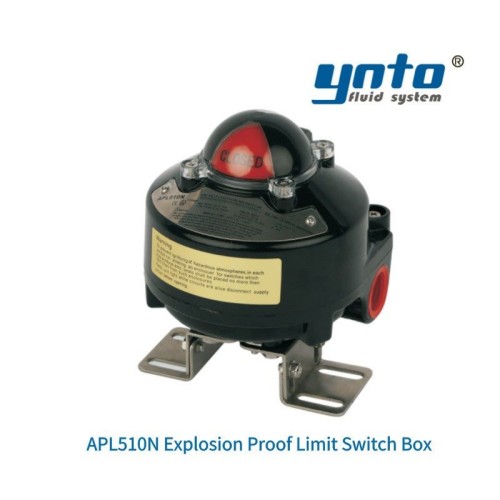
A lot of procurement teams think of short-circuit protection only in terms of electrical breakers and insulation. That mindset is incomplete. In a data center, fluid containment is part of fire prevention. If conductive liquid reaches energized terminations, trip devices may protect downstream equipment, but they do not eliminate the ignition risk or the outage. TTK’s incident framing is blunt: leaks in technical areas can cause short circuit and fire. Valin’s data-center safety portfolio reinforces the same logic by pairing shutoff valves, NFPA-oriented components, and valve position monitoring in one architecture.
For buyers, the practical lesson is that the best fire suppression system is not a substitute for the right isolation valve. It is the backstop behind it. The better the valve closes, the faster the leak is located, and the more transparent the system integrity monitoring becomes, the lower the chance that a water event turns into an electrical emergency. That is why facility teams increasingly evaluate valve packages as part of their broader risk mitigation strategies rather than as stand-alone mechanical items.
Conclusion
Actionable Insights for Improving Leak Prevention
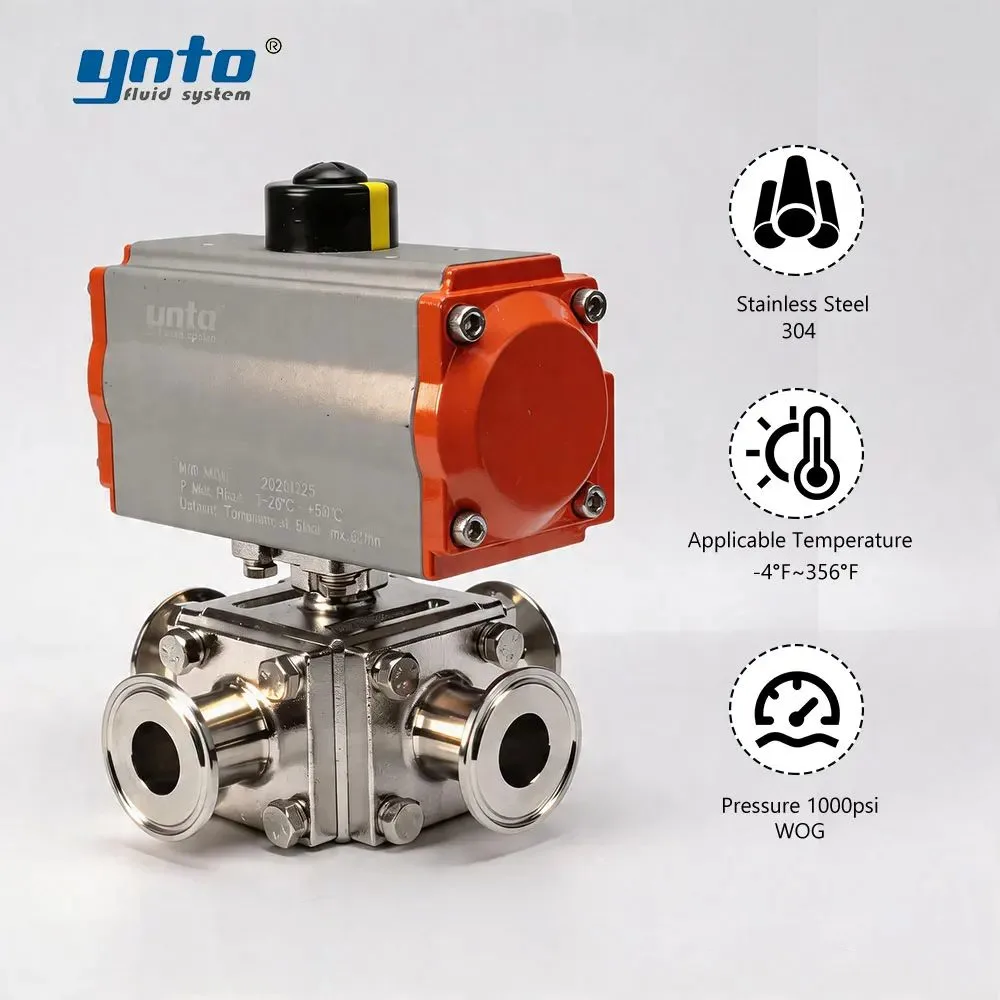
If I were reviewing a data-center cooling package for purchase today, I would push four points first: choose materials for the actual fluid and environment, not the line item description; automate shutoff wherever response time matters; integrate leak detection with BAS or DCIM so operators get location plus action, not just an alarm; and demand standards-aware documentation from the valve supplier. YNTO is worth considering in that context because its portfolio already spans electric ball valve, electric butterfly valve, electric actuator, electric control valve, diaphragm valve, check valve, and solenoid valve solutions, while also showing experience in semiconductor manufacturing, advanced manufacturing, and global compliance frameworks such as ISO 5211, ASME B16.34, API 6D, and EN-based requirements.

Future Prospects in Leak Prevention Solutions
The next step is already visible. Leak protection is moving from alarm-only systems to predictive systems. A 2025 research paper on AI data-center cooling proposed an IoT-based method that forecast leaks two to four hours ahead and detected sudden events within a minute, albeit on synthetic data. That direction makes sense. Over the next few years, the facilities that perform best will be the ones that connect sensing cable, pressure trend, flow deviation, actuator status, and DCIM analytics into one closed loop. Leak prevention valves will still be physical devices, but they will increasingly behave like smart safety nodes inside a much larger control strategy.
- 2026-10-19 08:49:57
- 2026-10-16 10:48:59