

How to Choose the Right Swimming Pool Multiport Valves for Your Needs
- 2026-07-31 14:54:24
- admin
- NO COMMENTS
Swimming pool engineers know that a pool’s circulation and filtration system can make or break water quality. During routine maintenance, one common sight is water leaking from the multiport valve or the handle feeling stuck when switching modes. These valves often endure high differential pressure during backwashing cycles and repeated handle operation. Over time, we’ve observed chlorine-laden water causing the spider gasket to harden and crack. As a result, small leaks develop (water drips even when the valve is closed), which then lead to pressure drop and inadequate filtration. Similarly, pressure surges during pump startup can cause the multiport spool to vibrate against its seals, leading to accelerated wear. In one instance, an engineer noticed that a valve handle suddenly required extra force to turn; investigation revealed that rough debris had worn into the valve seats, slowing actuation and delaying proper flow direction. These real-world signs point to typical multiport valve issues: seal fatigue → leak → uneven flow, and pressure spikes → mechanical stress → reduced responsiveness.
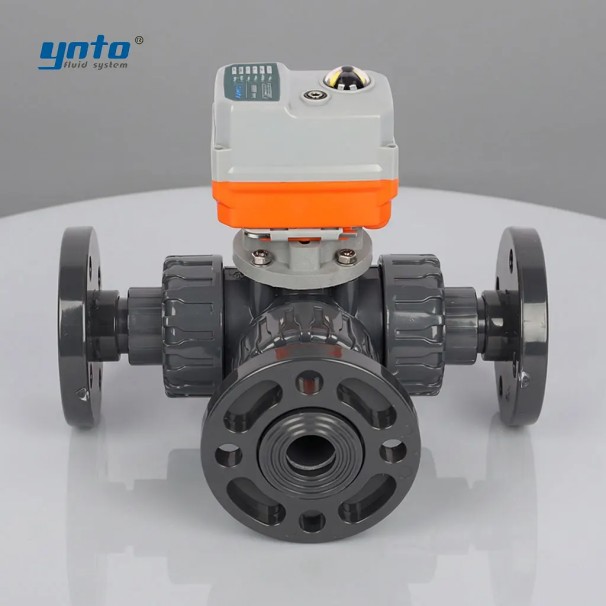
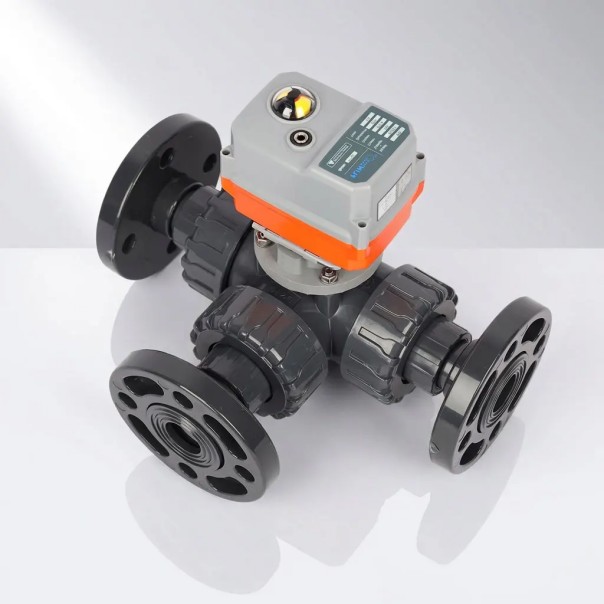
Introduction to Multiport Valves
Multiport valves sit atop the pool’s sand or cartridge filter and serve multiple functions (filter, backwash, rinse, waste, recirculate, closed, and sometimes winterize). Unlike a simple ball valve, a multiport valve contains an internal diverter that directs water through different paths. It’s essentially a specialized valve assembly designed for pool filtration systems, combining a sealed chamber and a handle that positions the internal ports. In many field operations, technicians describe the multiport valve as the “traffic cop” of the pool hydraulics: when set to “filter,” it sends water through the filter media; when set to “backwash,” it reroutes flow to wash out debris. A defective multiport valve can cause “see-saw” temperature readings across the pool: one area staying warm due to insufficient filtration, and another area feeling colder. This is because a small leak or improper port alignment disrupts flow balance.
Overview of Pool Filter Systems
Pool filter systems typically include a pump, filter, and associated valves and plumbing. The multiport valve connects to the pump outlet and filter tank. During normal operation, water is forced by the pump through the valve into the filter, then returned to the pool. Engineers often note that problems in pool flow regulation frequently trace back to the multiport valve or nearby plumbing. For example, if chlorine tablets or salt are used in the water, we must consider chemical effects on materials. Chlorinated water can accelerate elastomer fatigue:
Chlorine exposure → O-ring gasket breakdown → slow leak past the seal → pressure imbalance. In addition, poor installation can allow air pockets: air trapped in the filter system may cause the multiport valve to cavitate, leading to unusual vibrations at low flow settings. In practice, ensuring the multiport valve and associated plumbing are correctly oriented (no dead legs or high points where air can collect) is crucial for stable operation.
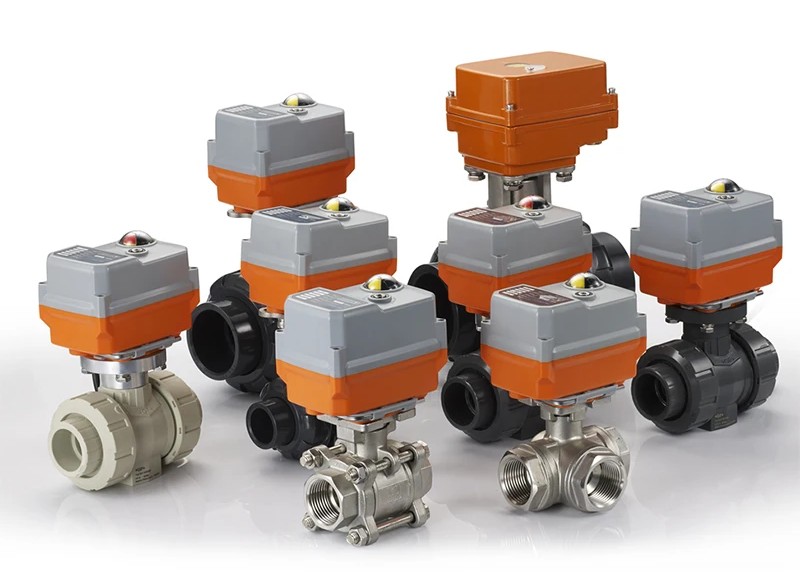
Water flow rate is another factor in filter system performance. The multiport valve must handle the pump’s flow (often in the range of 50–100 GPM for residential pools, more for commercial). If flow is too high for the valve size, pressure fluctuations occur. This is where valve types enter consideration: sometimes auxiliary shut-off valves like an Electric Ball Valve are installed inline to isolate the filter for maintenance without shutting down the entire pool. An engineer might recommend a robust control valve (even from industrial lines) if the pool uses automated control systems, because electric or pneumatic actuators can integrate with pool controllers for remote operation.
Significance in Swimming Pool Accessories
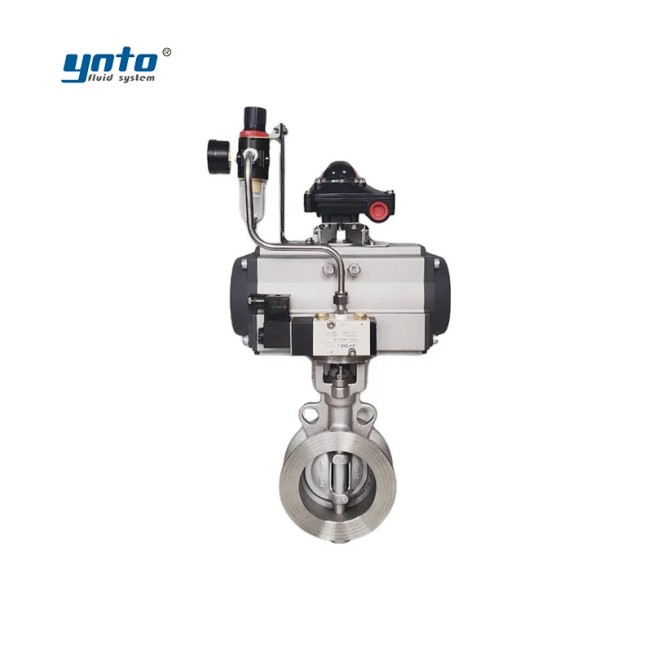
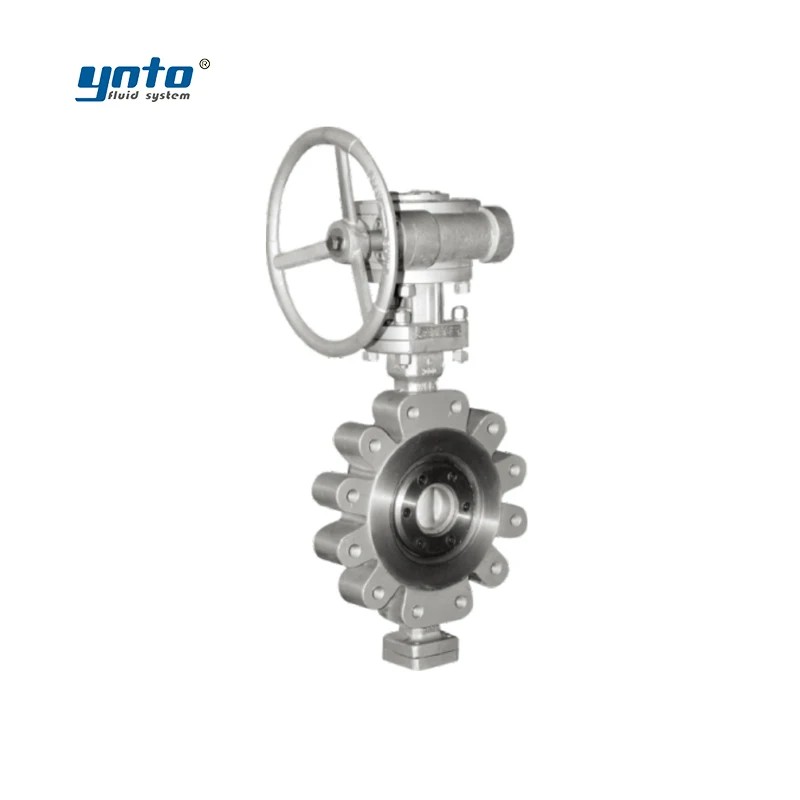
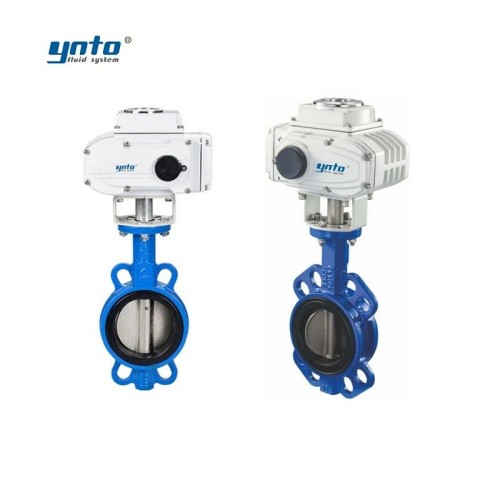
Multiport valves are often grouped under “pool accessories,” but they are technically valves with critical functionality. In contrast to a simple diverter, multiport valves in high-end installations can be integrated into a pool’s automation system. For example, instead of manually rotating a handle, some pools use an motorized actuated valve to switch modes remotely. These setups may employ actuators similar to those used on pneumatic butterfly valve assemblies or electric actuated butterfly valves. While a pool multiport valve itself is usually plastic, considering rugged valve alternatives for auxiliary loops (such as chemical feeders or heater bypasses) can enhance system durability. In fact, when designing custom pool systems, engineers often treat multiport valves akin to instrumentation valves: we specify corrosion-resistant materials (316L stainless steel or high-grade plastics) and safety ratings. For instance, even though ANSI/ASME standards focus on industrial valves, their spirit carries to pool systems in the form of ensuring pressure-tight design and leak-tight seals according to performance specs. This engineering mindset helps prevent issues like water hammer or seal blowouts when switch-over positions are made.
Assessing Your Swimming Pool Needs
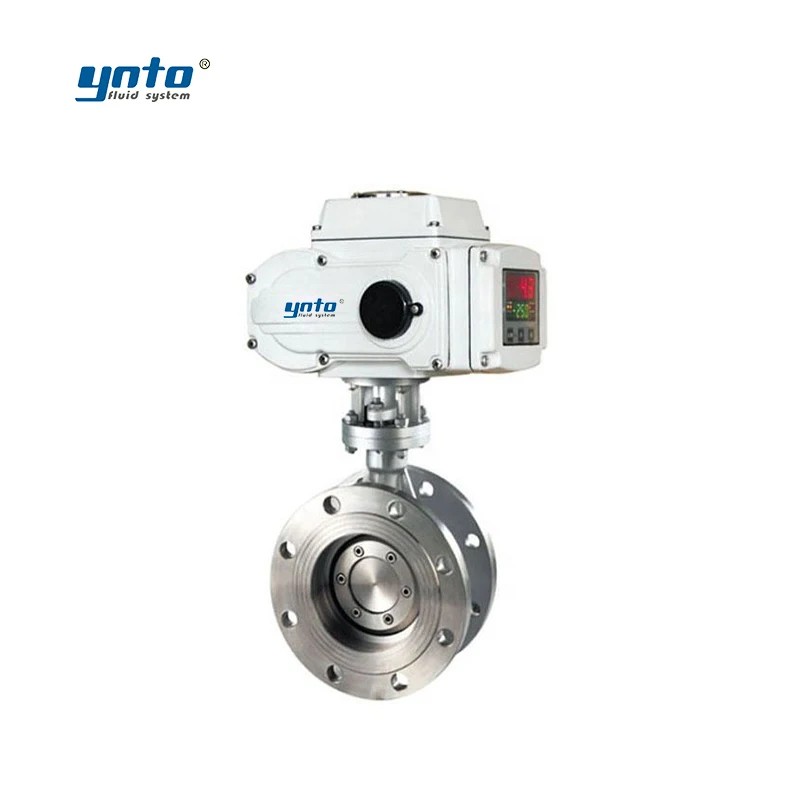
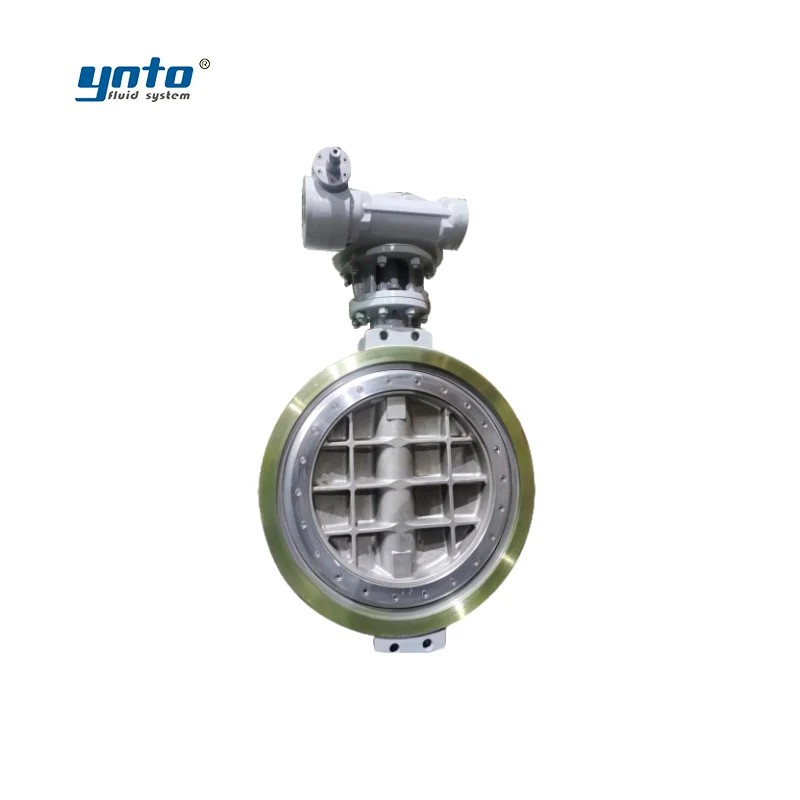
Before picking a valve, define the pool’s specifications. Consider pool size and type: a small above-ground pool with a single pump will have different requirements than a large in-ground pool with multiple pumps and heaters. The multiport valve must match the pump’s flow; mismatches lead to inefficiency. For example, a large luxury pool (say 50,000 gallons) requires high flow rates. The engineer might observe that in such a case, the multiport valve’s internal passages act like a flow restrictor. If the valve is undersized, it increases backpressure and can induce cavitation at the pump. Conversely, a tiny valve on a big pump causes excessive pressure drop. One solution often used in engineering systems is to employ a larger flanged valve or add a bypass. In some retrofit scenarios, we might replace a brittle plastic multiport with an industrial-grade valve—for instance, swapping in an Electric Butterfly Valve sized for the pipe. This reduces stress on the pump and provides more robust adjustment of flow paths.
For common maintenance practices, note that many pool service routines involve partial disassembly of the filter and valve. Technicians frequently lubricate the seal and spider ring after use. An engineer’s perspective: if we notice frequent wear, it might signal a need for higher-quality material. In practice, we prefer EPDM or FKM (Viton) for gaskets exposed to chlorine, rather than cheaper rubber. The reason is clear:
Chlorine exposure → EPDM/FCM outperforms EPDM in longevity → fewer small leaks → stable filtration over more cycles.
We also consider the installation environment: outdoor pools expose valves to UV and temperature swings. Products with UV-resistant plastics or coatings (for example, an FBE-coated steel ball valve) help maintain sealing performance.
Features and Specifications
When evaluating valves, flow rate is paramount. The valve must handle the required GPM and pressure. Multiport valves are typically rated for a certain head. Check manufacturer specs: a bad match leads to chattering flow at low settings or overflow in “waste” mode. Some advanced pool systems use adjustable pumps; here, the multiport valve should handle variable flow without causing oscillation. An engineering trick is to use a variable-frequency drive (VFD) on the pump and pair it with a precise valve like a control valve. Although traditional pools use manual settings, modern systems sometimes borrow from HVAC balancing valves to stabilize flow. In fact, some pool installers incorporate flow balancing valves in secondary loops (like spa jets) to fine-tune flow. Flow sensors paired with a manual balancing valve or a small controller can be beneficial. In this context, using an industrial-style butterfly valve as a bypass or bleed-off line can allow precise calibration of total circulation, ensuring each part of the pool gets adequate flow. For example, after filling, engineers might run a calibration test: measure flow and adjust valves to achieve uniform distribution. If needed, a Manual Ball Valve or butterfly can throttle flows during tuning.
Ease of operation and maintenance is the next key feature. Multiport valves should have ergonomic handles and clear markings (filter, backwash, etc.). From an engineer’s viewpoint, the handle mechanism is a potential failure point; robust designs have metal internal shafts rather than plastic pins. Some high-end valves include a drain plug that automatically lowers when “WASTE” is selected, preventing loss of prime (though this can be a failure point if the plug sticks). We emphasize looking for valves with replaceable spider gaskets and seat inserts, because those wear parts need periodic replacement. In harsh environments, a pool might see unbalanced water chemistry (pH swings, calcium hardness). This can cause calcium scaling inside the valve, which shows up as chatter or handle stiffness. Hence, we recommend valves with PTFE or high-grade plastic seats, which resist scale better than standard PVC. Similarly, materials like 316L stainless steel for the underlying structure (when metal is used) can resist corrosion, whereas galvanized or brass might pit.
Another consideration is compatibility with saltwater vs. chlorine pools. Saltwater systems generate chlorine electrolytically, but they are still saline. Salty water is more corrosive to metals, and it changes the choice of valve. In such cases, engineers often default to 316L stainless or even Duplex stainless materials for internal trims, because duplex has higher chloride stress resistance. On the flip side, purely chemical pools (with lots of chlorine tablets) may require frequent valve inspections. Therefore, valves made from corrosion-resistant plastics (e.g. reinforced PVC (PVDF) or with special coatings like Halar or FBE inside can protect against chemical attack. For instance, a solenoid or actuator used to move a valve might fail if salt air corrodes internal parts, so marine-grade components or sealed enclosures (IP68 rated) are advisable in outdoor pool areas.
Integration with Pool Water Chemistry
The multiport valve sits right at the intersection of hydraulics and chemistry. The valve materials must withstand the pool’s sanitizing chemicals and additives. For example, trichlor or dichlor chlorine can lower pH slightly; if not buffered, acidic water can etch metal components. Engineers have seen pit corrosion in inlet pipes of valves due to this. That’s why seals are often PTFE (Teflon) or Viton (FKM), which handle a broad pH range. Meanwhile, pool heaters or chemical feeders add temperature and chemical variations. High heater temperature or even heat pumps can raise fluid temperature during winter use, which stresses seals (thermal cycling can cause seal brittleness). During commissioning, a common indicator of compatibility is performing a “chemistry soak test” on materials. A piece of sealing material might be soaked in chlorinated water and then checked for hardness. If the seal material shows swelling or tearing, it’s a red flag.
Water quality monitoring is part of integration. Advanced pools might use flow sensors and ORP (oxidation-reduction potential) sensors. In these cases, we often tie the valve position to the feedback system. For example, if an ORP sensor in the return line indicates low chlorine, the system may automatically increase water turnover by opening additional returns through the valve system. The control algorithm must know the valve’s position and performance (e.g., a valve positioner on a butterfly valve can output a signal). This is why some pool engineers borrow from industrial valve automation: using actuated valves with position transducers. A product like an electro-pneumatic positioner could theoretically be adapted to a pool manifold to control returns or special filtration loops, although it’s rarely done in typical pools. The principle is the same: precise adjustment of flow paths can improve both cleaning and chemical dispersion, leading to more uniform water quality.
Recommendations Based on Pool Type
Pools vary, so valve selection varies with type.
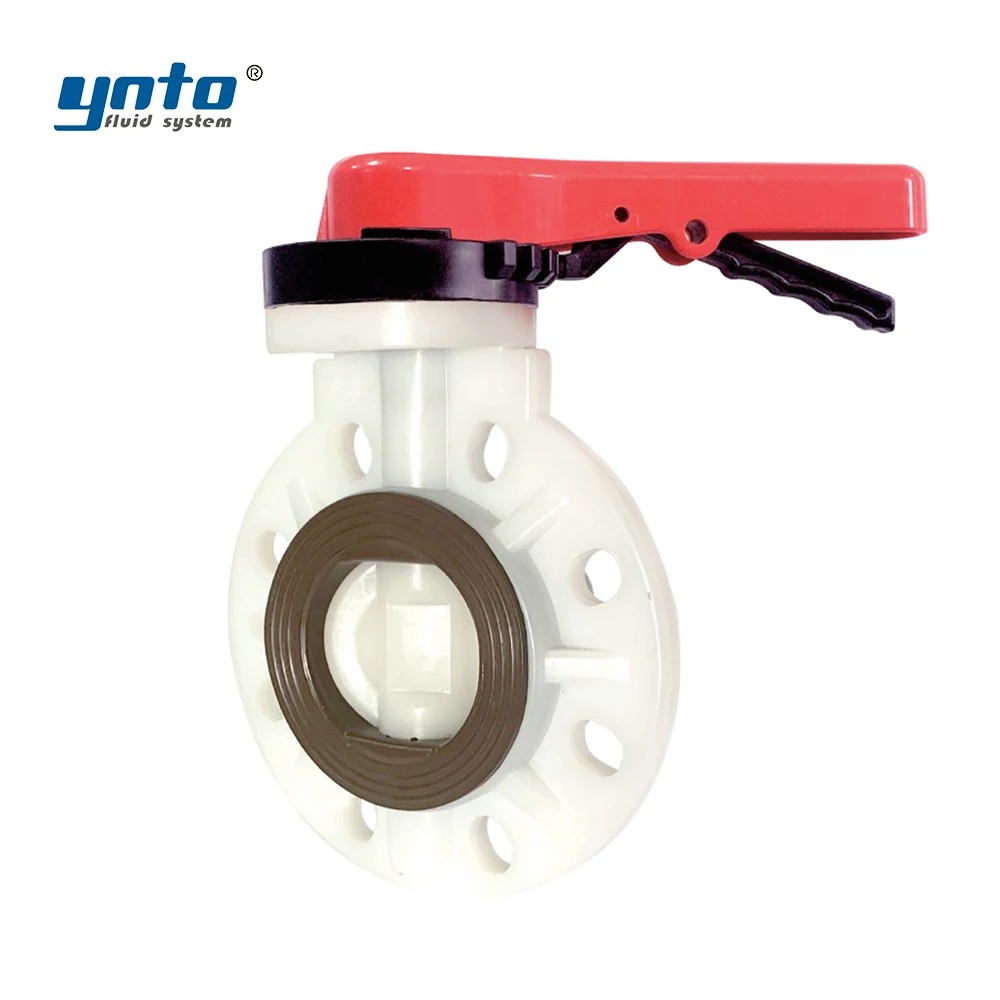
In-Ground vs. Above-Ground Pools. In-ground pools often have larger, more permanent filtration systems. They may use 2″ or 3″ plumbing, requiring proportionally larger multiport valves. The engineering approach is to size valves and pipes to minimize head loss, especially on return lines. In-ground pool multiport valves are commonly made of thicker plastic or even composite with steel reinforcements. Above-ground pools typically use 1.5″ or 2″ systems; the multiport can be smaller and is often lighter. However, lighter plastic valves can be more susceptible to warping if exposed to sunlight without UV protection. For either type, if the pool is part of a clubhouse or resort, it becomes essentially an industrial loop; thus, staff might install manual isolation valves on each branch (similar to industrial gate valves or Manual Butterfly Valve valves) to allow servicing one filter while others run.
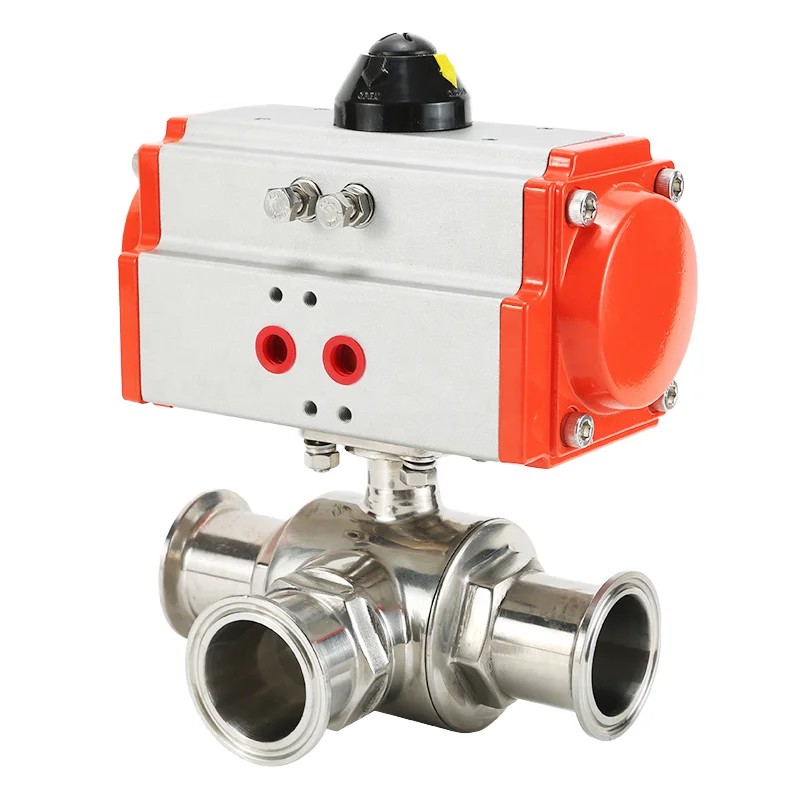
Saltwater or Chlorine Pools. As mentioned, saltwater pools demand corrosion resistance. Many pool manufacturers offer dedicated saltwater-rated multiport valves. For retrofit scenarios, engineers sometimes use generic valves from industrial or agricultural markets: for example, a 2″ PVC ball valve (like a solar pool ball valve) can serve as a bypass. The benefit of a ball valve in a salt environment is the simplicity of design (fewer frequent failure points than a multiport). However, ball valves don’t handle multiple functions. Therefore, some commercial or large saltwater pools still rely on multiport valves but complement them with additional salt-resistant equipment. In practice, when selecting a multiport for a salt pool, I would check that all metal fasteners are stainless and that the handle linkage is sealed. If not, converting to a hygienic design (using more high-grade components, even if it pushes cost up) is often worth it.
Final Thoughts
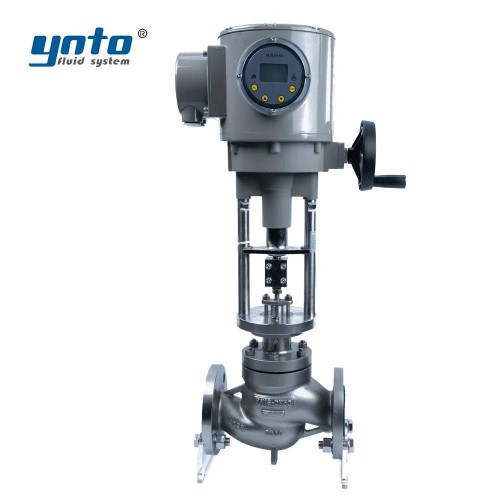
Choosing the right multiport valve is about balancing cost, durability, and the pool’s specific needs. Quality matters: investing in a valve with robust construction (e.g. reinforced plastics or stainless internals) saves money on unexpected downtime. It’s wise to inspect valves yearly, replacing spider gaskets before leaks start. Over time, pool systems can evolve—if you add features like automatic salt chlorinators or high-output jets, reconsider the valve. Equipment upgrades might include adding an electric actuation system to the multiport for remote operation, similar to how HVAC systems use actuated [electric valves] for zoning. Valve automation in pool systems isn’t common yet, but it follows the same trend of convenience and safety. Indeed, the future might bring more “smart pool” setups where valve positions adjust based on sensors (integrating pressure relief strategies to avoid pipe bursts, for example).
Key Takeaways on the Importance of Quality
· Safety: A valve failure can cause flooding or pump overheating. Always choose valves rated for the system’s pressure and temperature. Look for pool equipment certified by relevant bodies (e.g. NSF/ANSI for pool equipment, or CE marks indicating tested design). In industrial terms, valves in pool heaters or chemical feed lines should meet ASME or API standards for pressure if integrated into large systems.
· Materials: Favor corrosion-resistant materials (316L, duplex stainless, PTFE, EPDM). UV-stabilized plastics help with longevity outdoors. Explain that PTFE seats resist a wide pH range, while FKM handles higher chlorine concentrations. Avoid metals like aluminum, which corrode easily in chlorinated or saltwater environments.
· Leak and Fluid Control: Proper valve selection ensures minimal leakage. Even a tiny bypass leak in a multiport affects efficiency over time. Good sealing materials and precision-machined valve ports will keep leakage to nearly zero, maintaining consistent pool chemistry and reducing waste.
· Maintenance: Regular maintenance extends life. Lubricate seals, replace worn O-rings, and confirm tightness of tank clamps and unions. Periodic pressure relief (by temporarily opening the waste port under no-flow conditions) can flush out debris and balance internal pressure to preempt seal blowout.
Ultimately, the best multiport valve is one specified by an engineer who has walked the pool deck. Assess the pool’s hydraulic design, consider future expansion, and select valves (and complementary control valves) that match those requirements. By doing so, you ensure efficient filtration, long service life, and safe operation—keeping swimmers happy and equipment running smoothly.

- 2026-09-11 16:48:37
- 2026-09-09 09:50:27
- 2026-09-07 09:14:41